Par Erica Johnson, experte et formatrice en sourcils
La résilience tranquille d'une technique de maquillage permanent intemporelle
Dans le monde du maquillage permanent, tous les deux ou trois ans, on assiste à un nouveau débat sur les tendances actuelles et celles qui sont passées de mode. Nouvelles machines. Nouvelles aiguilles. Nouvelle terminologie. Nouvelles tendances qui promettent de remplacer tout ce qui les a précédées.
Et pourtant, microblading restes.
Non pas parce qu'elle refuse d'évoluer, mais parce qu'elle a évolué. Le microblading est l'une des techniques les plus éprouvées du maquillage permanent, et après sept ans de formation et de pratique, je peux affirmer avec certitude qu'il occupe toujours une place essentielle dans l'art moderne des sourcils.
J'aime le microblading autant aujourd'hui qu'à mes débuts. Peut-être même plus. Car maintenant, je comprends. pourquoi Ça marche, quand Cela fonctionne au mieux, et comment Cela s'inscrit dans une pratique des sourcils complète et éthique.
Microblading et nanoblading : même principe, outils différents
Commençons par clarifier un point.
Le microblading et le nanoblading ne sont pas des techniques opposées. Ce ne sont pas des services concurrents. Ce ne sont pas des prestations totalement différentes.
Au fond, il s'agit de la même méthode.
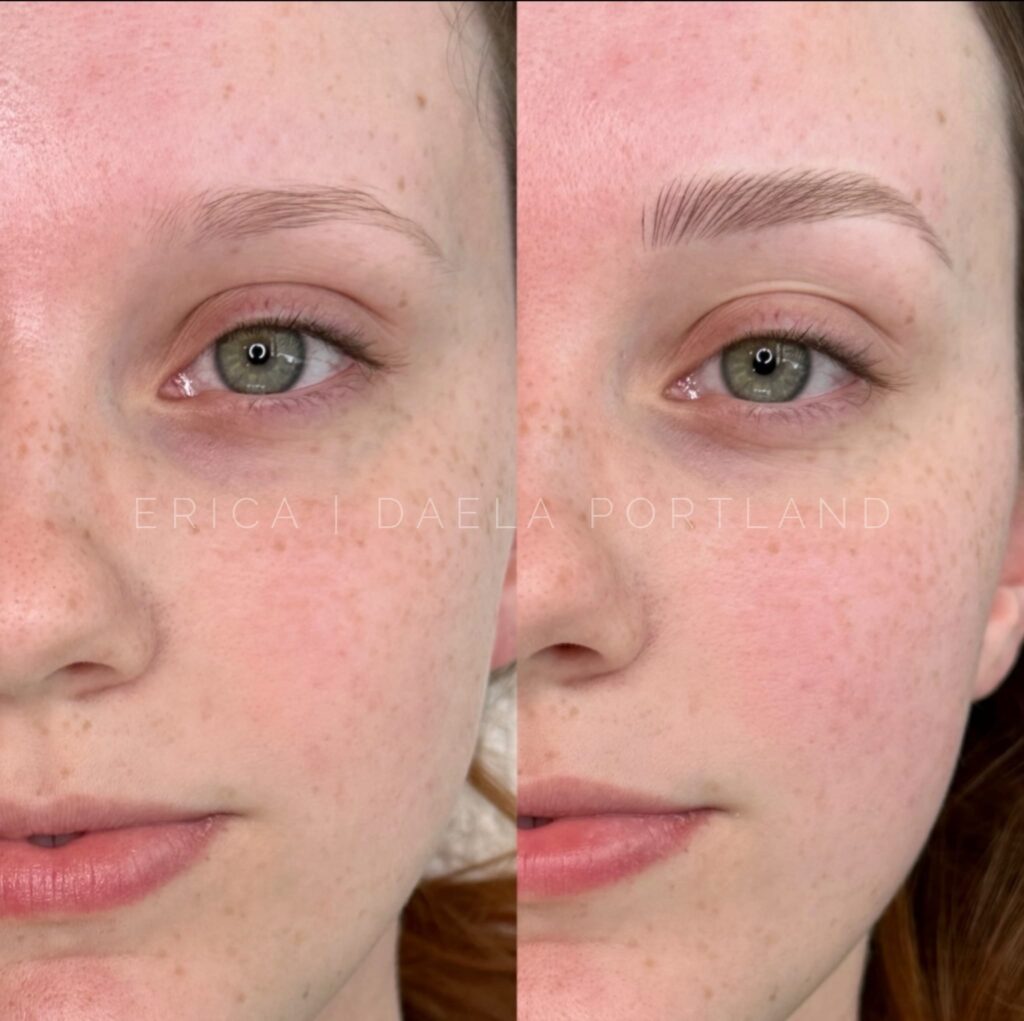
Le microblading et le nanoblading sont deux techniques manuelles de maquillage permanent des sourcils. Elles reposent sur la précision du geste, la perception de la profondeur, la saturation des pigments et le placement intentionnel des traits pour imiter l'apparence des sourcils naturels. Leur philosophie est identique : obtenir des traits réalistes, semblables à des poils, qui cicatrisent en douceur et naturellement.
La différence réside dans le configuration de l'aiguille et niveau de difficulté technique.
Le microblading traditionnel utilise un groupe d'aiguilles légèrement plus large. Le nanoblading, quant à lui, emploie des aiguilles ultrafines, souvent à pointe unique ou disposées de manière très serrée. Du fait de leur petite taille et de leur finesse, les nano-aiguilles exigent de l'artiste une précision, une régularité et un contrôle de la profondeur accrus.
Des aiguilles plus petites signifient :
- Marge d'erreur réduite
- Demande technique accrue
- Une plus grande importance accordée à la pression manuelle appropriée et à la lecture de la peau
- Risque accru si les fondamentaux ne sont pas solides
Le nanoblading n'est pas un microblading “ meilleur ”. C'est un avancé microblading.
Et cette distinction est importante, surtout en matière d'entraînement.
Découvrez mon aperçu de la formation en présentiel !
Pourquoi le microblading mérite encore le respect
Le microblading a été déclaré “ mort ” un nombre incalculable de fois. Et pourtant, il continue de prospérer entre les mains d'artistes talentueux qui maîtrisent la peau, les pigments et les résultats à long terme.
En réalité, ce n'est pas le microblading qui a échoué, mais le manque de formation et de mise en œuvre.
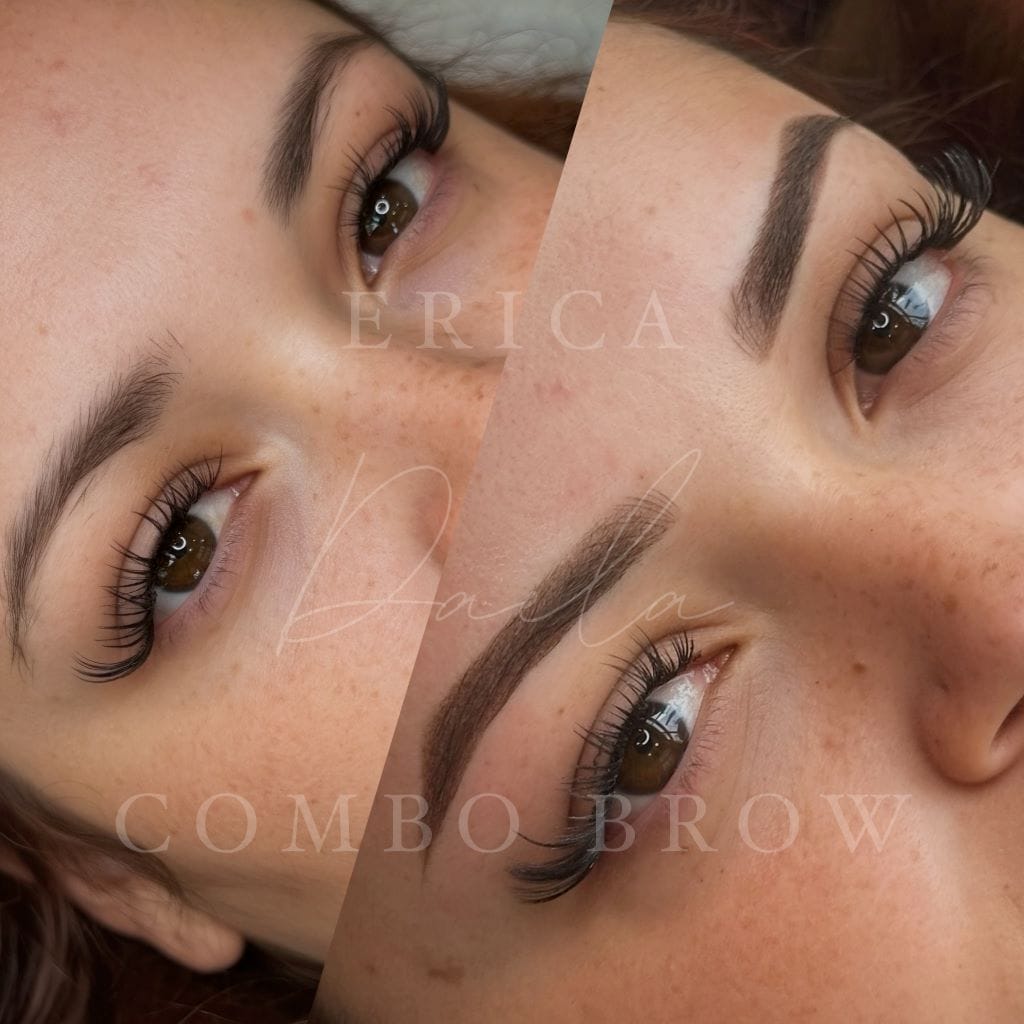
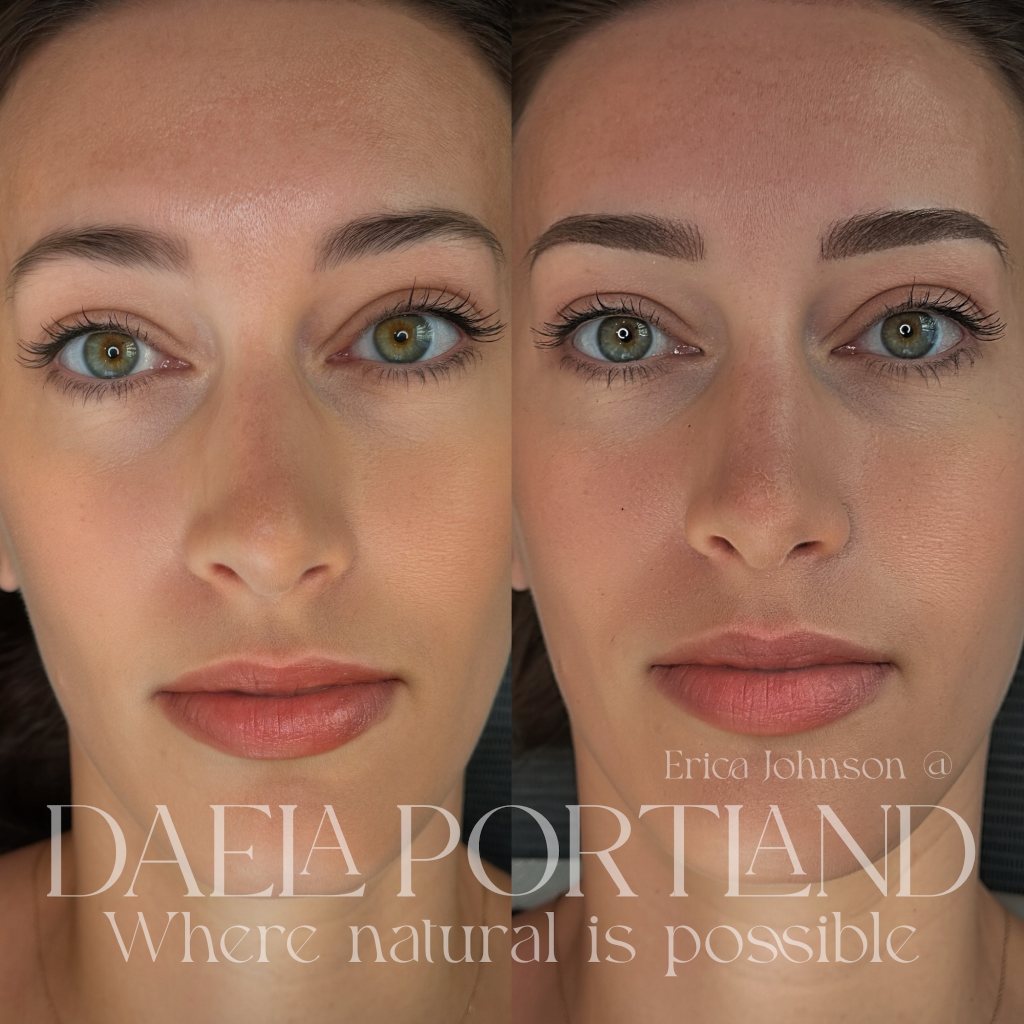
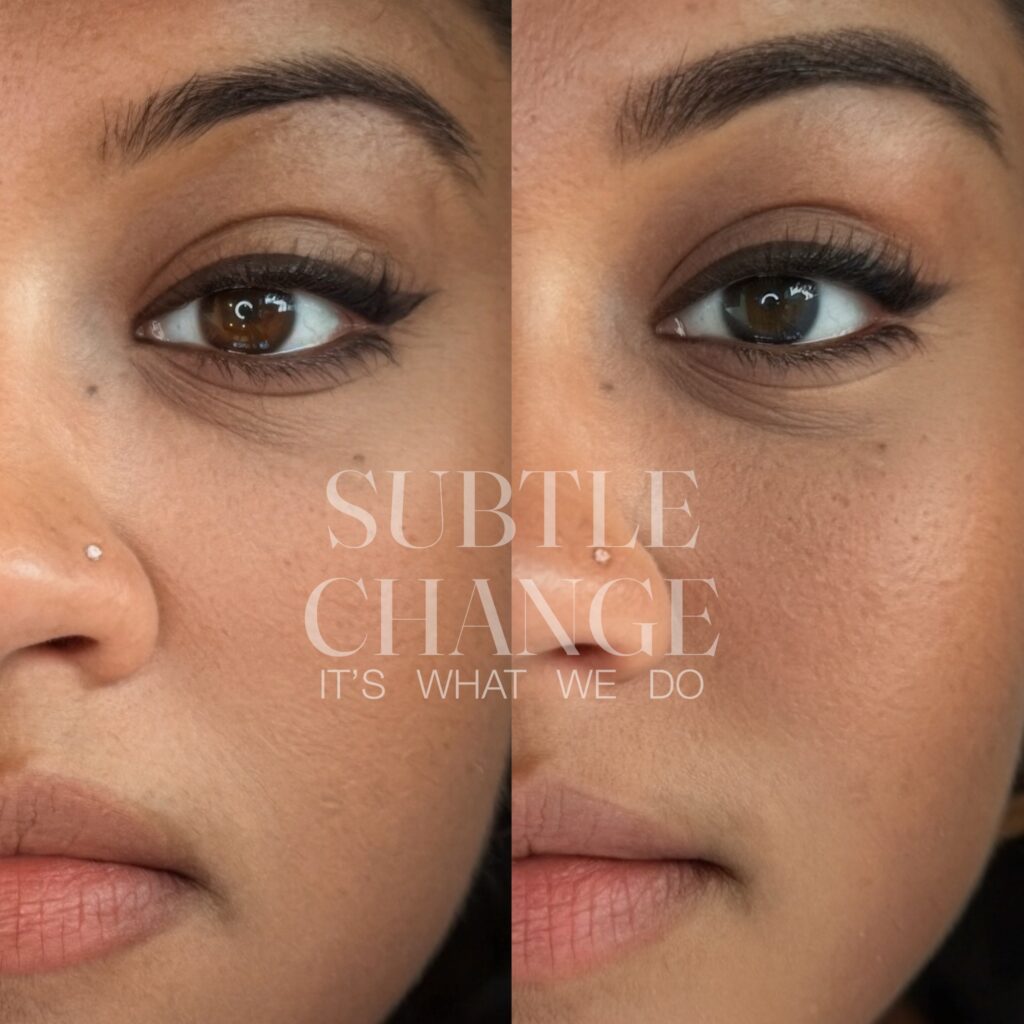
Lorsqu'elle est correctement enseignée, pratiquée de manière responsable et choisie pour la bonne personne, la microblading offre des résultats magnifiques et naturels, très appréciés des clientes. Elle permet un contrôle inégalé de la forme et de l'emplacement des traits, et offre une subtilité artistique qu'aucune machine ne peut reproduire avec la même précision.
Le microblading ne convient pas à tous les clients, et il existe de nombreuses techniques de tatouage des sourcils qui permettent aux personnes de tous âges, de tous types de peau, de toutes conditions cutanées et de toutes couleurs de peau d'y avoir recours.
Pour les types de peau, les modes de vie et les attentes appropriés, le microblading reste l'un des outils les plus élégants dont nous disposons. Découvrez mon portfolio de clients !
Sept ans plus tard, j'adore toujours enseigner.
Je me forme au microblading depuis sept ans, et je suis toujours aussi passionnée qu'à mes débuts.
Cette passion naît du constat que les élèves gagnent en assurance. De les voir passer de traits hésitants et tremblants à un art précis et réfléchi. De les aider à comprendre que le microblading n'est pas une question de rapidité ou de tendances, mais de patience, de maîtrise et de respect de la peau.
Le microblading enseigne des principes fondamentaux qui se répercutent sur l'ensemble de l'organisme. chaque autre technique pour les sourcils.
Il enseigne :
- Conscience de la profondeur
- tension cutanée
- Régularité du trait
- Comportement des pigments
- La prise de décision, pas la mémorisation
Ces compétences ne disparaissent pas lorsque vous utilisez une machine. Elles se transfèrent. Elles se renforcent. Elles enrichissent votre pratique dans son ensemble.
C’est pourquoi je continue à enseigner le microblading avec le même soin et la même intention année après année.
Découvrez mon cours de master en ligne !
Développement de ma pratique avec les sourcils ombrés poudrés
À mesure que ma clientèle s'est développée, la diversité de ses besoins a également augmenté.
Je travaille avec des clients âgés de 18 à 75 ans. Tous les types de peau. Tous les modes de vie. Toutes les attentes. Et bien que le microblading soit efficace, il n'est pas universel.
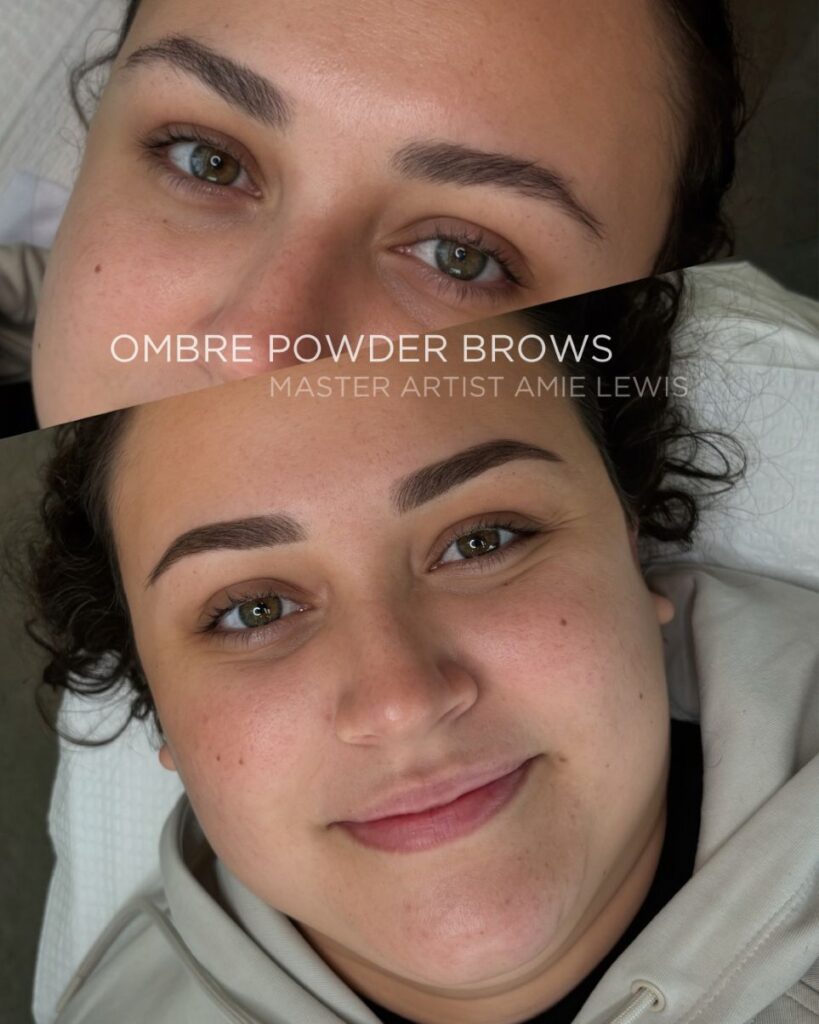
C'est pourquoi j'ai ajouté la technique du maquillage ombré pour les sourcils à ma pratique.
Non pas pour remplacer le microblading, mais pour le compléter.
La technique de poudrage ombré pour les sourcils m'a permis de traiter en toute confiance :
- Peau grasse
- Peau mature
- Peau sensible ou réactive
- Les clientes qui préfèrent un maquillage léger
- Des clients qui souhaitent un entretien réduit au fil du temps
En proposant les deux techniques, je pouvais m'adapter aux besoins de mes clients au lieu d'imposer une solution unique et standardisée.
C'est un point sur lequel j'insiste beaucoup lors des formations.
Une spécialiste des sourcils accomplie n'est pas celle qui maîtrise parfaitement une seule technique. C'est celle qui connaît… lequel La technique est adaptée au client assis en face d'eux.
Pourquoi j'encourage les élèves à associer la formation en microblading à la technique du fard à paupières ombré
On enseignait autrefois qu'un artiste ne devait maîtriser qu'une seule technique à la perfection, et bien que maîtriser une technique avant d'en ajouter une autre reste la meilleure approche, il est important de connaître plusieurs techniques pour les sourcils. car tous les clients ne sont pas identiques. Désormais, lorsque les étudiants me demandent à quoi devrait ressembler leur évolution à long terme, ma réponse est toujours la même.
Commencez par le microblading. Maîtrisez les techniques de base. Ensuite, ajoutez la technique du maquillage permanent des sourcils avec effet poudré.
Le microblading développe votre dextérité, votre connaissance de la peau et votre confiance en vous. Une fois ces bases acquises, l'apprentissage du maquillage permanent des sourcils (effet poudré ombré) devient plus fluide, plus sûr et plus intuitif.
Ajout de poudre pour les sourcils :
- Élargit votre clientèle
- Augmente votre polyvalence
- Réduit les limitations liées au type de peau
- Renforce vos consultations
- Assure la longévité de votre carrière
Je ne crois pas qu'il faille abandonner le microblading une fois qu'on maîtrise le travail à la machine. Je crois en superposition votre éducation.
Les artistes qui durent dans ce secteur sont ceux qui respectent la technique, comprennent leurs limites et continuent d'apprendre avec intention.
Découvrez la formation Ombre Powder Brow d'Amie Lewis
L'avenir des sourcils ne réside pas dans une seule technique.
L'industrie du maquillage permanent n'a pas besoin de moins de techniques. Elle a besoin de meilleurs artistes.
Des artistes qui savent quand opter pour le microblading, quand choisir le nano-maquillage, quand choisir le maquillage permanent des sourcils en poudre, quand suggérer une technique mixte et quand dire non.
La pérennité du microblading tient à sa capacité à coexister avec l'innovation, et non à la combattre. Il continue d'évoluer car les artistes évoluent.
Je suis fière d'enseigner le microblading. Je suis fière de le pratiquer. Et je suis fière de guider mes élèves vers une formation complète qui les prépare à travailler avec de vraies clientes, à travailler sur de vraies peaux et à obtenir des résultats durables.
Si vous êtes prêt·e à apprendre correctement, le microblading vous apportera des bénéfices pendant des années.
Et après sept ans, je peux affirmer avec certitude qu'il a encore énormément à offrir.
À propos de l'Académie Daela
Académie DAELA est un leader mondialement reconnu dans tatouage cosmétique Notre formation en maquillage permanent est reconnue pour son excellence artistique et éthique. Accueillant des étudiants des États-Unis et du monde entier, notre équipe s'est forgée une solide réputation grâce à des résultats toujours impeccables, des techniques de pointe et un profond respect de la beauté naturelle.
Nos formateurs ne sont pas seulement des artistes, mais aussi des experts du secteur qui privilégient des résultats optimaux, l'intégrité de la peau et la satisfaction durable des clients. Chaque formation est conçue pour aller au-delà des tendances, offrant ainsi aux artistes une base solide et adaptable, gage d'une véritable évolution de carrière.
Avec des emplacements à Portland et Scottsdale, Avec plus de 25 000 clients et plus de 3 000 avis 5 étoiles, notre communauté mondiale d'artistes en pleine expansion est entre d'excellentes mains. Académie DAELA Nous continuerons à façonner l'avenir du maquillage permanent grâce à une formation réfléchie, des normes élevées et une approche axée sur les résultats.