К Лина Андерсон | Главный тренер в Академия DAELA
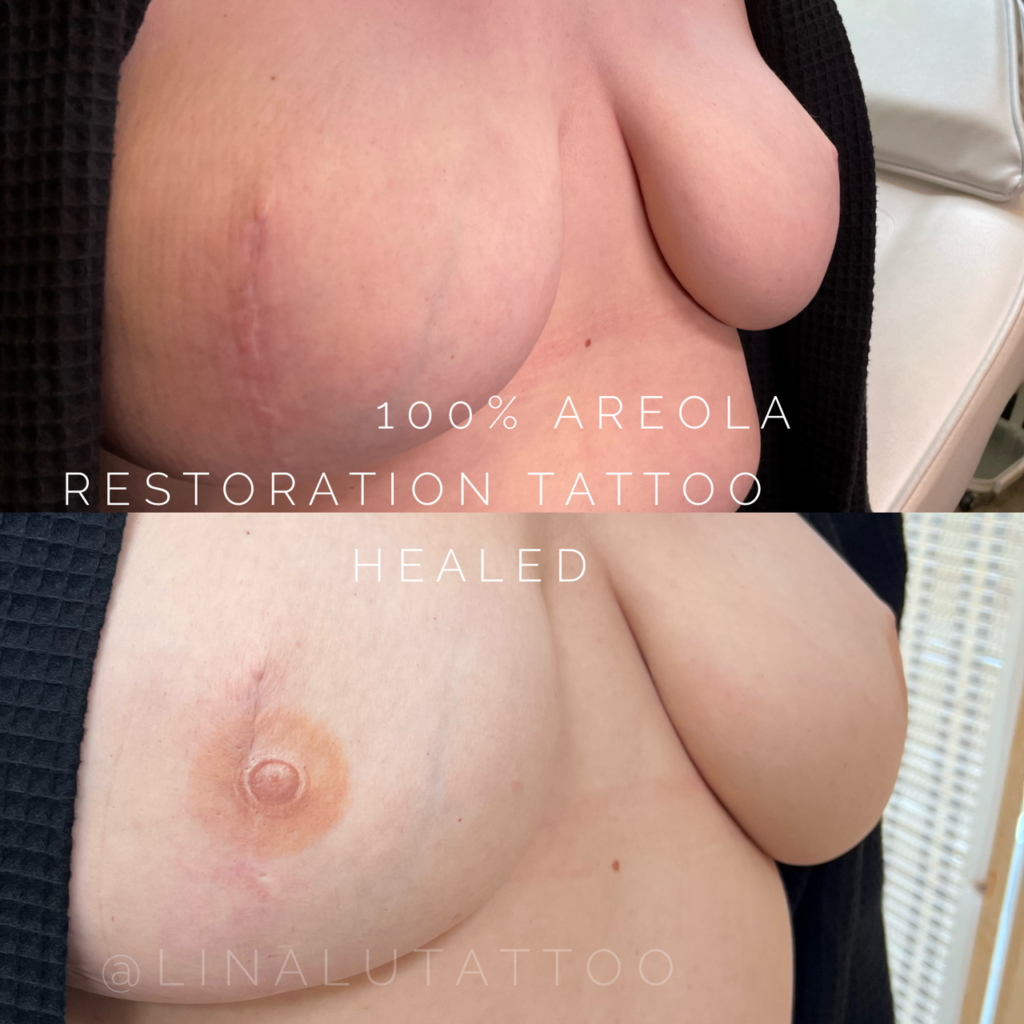
Восстановление ареолы — одна из наиболее значимых услуг в парамедицинском татуировании.
Для многих клиентов это представляет собой заключительный этап долгого пути, который мог включать в себя операцию, болезнь или значительные жизненные перемены. Хотя технический результат имеет значение, эмоциональное воздействие этой работы не менее важно.
Поэтому один из самых распространенных вопросов, которые задают художники, звучит так:
Нужно ли мне медицинское образование для проведения татуировок, восстанавливающих ареолу?
Ответ очевиден.
Нет.
Мастера перманентного макияжа делают нет Для проведения татуировки, восстанавливающей ареолу, необходимы медицинские специалисты.
Это справедливо для всех штатов.
Восстановление ареолы относится к парамедицинской татуировке, которая регулируется так же, как и другие виды перманентного макияжа. Если вы соответствуете требованиям лицензирования татуировок или перманентного макияжа, установленным в вашем штате, вы имеете законное право предлагать эту услугу.
Однако именно здесь часто возникает путаница.
Отсутствие необходимости в медицинском образовании не означает, что нет Это означает, что это базовая или начальная услуга.
Что такое татуировка для восстановления ареолы?
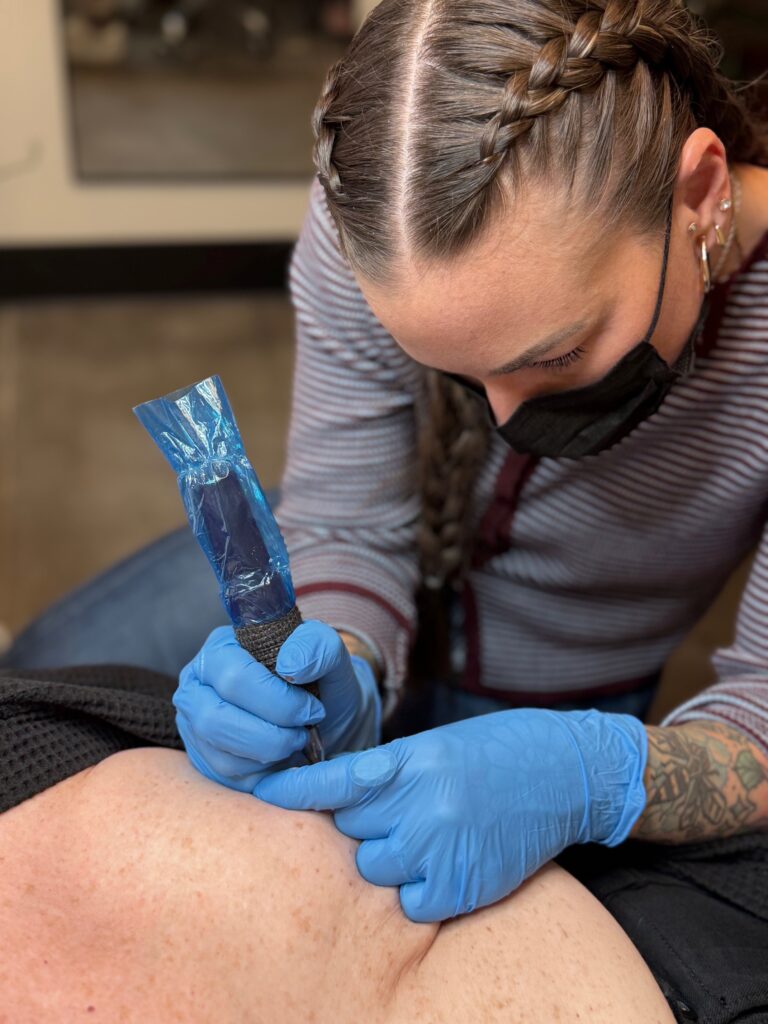
Восстановление ареолы — это парамедицинская процедура татуировки, предназначенная для воссоздания внешнего вида ареолы, а в некоторых случаях и соска.
Чаще всего эта процедура проводится после:
- Мастэктомия и реконструкция груди
- хирургия груди
- Травма или рубцы
Цель не ограничивается лишь эстетикой. Она носит восстановительный характер.
Этот вид работы часто помогает клиентам снова почувствовать себя самими собой. Он может принести ощущение завершенности процессу, который был одновременно физическим и эмоциональным.
Поэтому восстановление ареолы требует иного уровня ухода, чем традиционный косметический татуаж.
Настоящая ответственность: знания, а не дипломы.
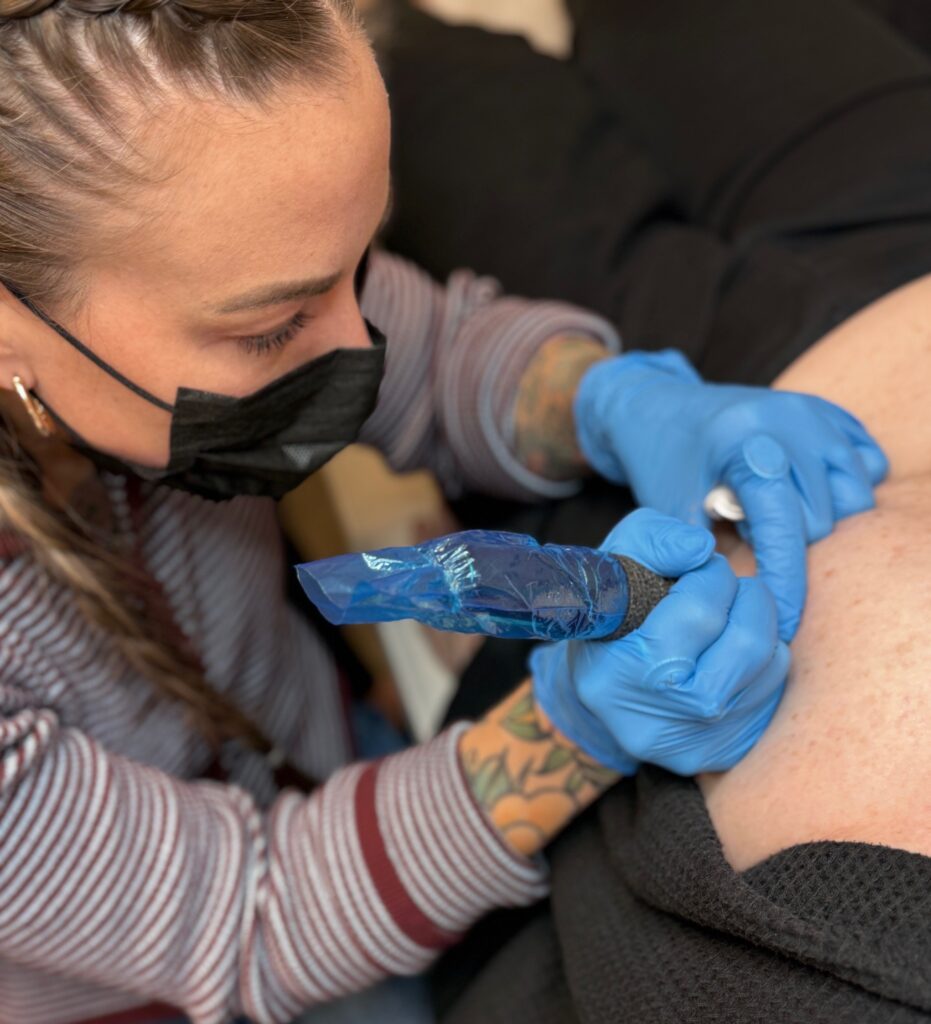
Хотя медицинская лицензия не требуется, вам необходим более глубокий уровень знаний, чем тот, который необходим для стандартного косметического татуажа.
Это включает в себя:
- Как ведет себя рубцовая ткань
- Как сроки заживления влияют на результаты
- Как определить, готова ли кожа к нанесению татуировки
- Как скорректировать свою технику в зависимости от результатов операции
Вы не ставите диагнозы и не лечите заболевания, но работаете с кожей, которая могла быть изменена в результате медицинских вмешательств.
Это требует более высокого уровня осведомленности.
Именно это отличает медицинскую татуировку от косметической.
Ключевое различие: косметический татуаж против парамедицинского татуажа.
Понимание разницы между этими двумя категориями имеет важное значение.
Косметический татуаж
Основное внимание уделяется:
- Улучшение
- Симметрия
- Удобство
В качестве примеров можно привести брови, губы и подводку для глаз.
Парамедицинская татуировка
Основное внимание уделяется:
- Реставрация
- Воссоздание утраченного или измененного
- Поддержка клиента на пути к выздоровлению.
Эти изменения носят следующий характер:
- Как вы консультируетесь
- Как вы оцениваете состояние кожи
- Как вы воспринимаете весь опыт в целом
Ожидания и обязанности различаются.
Понимание рубцовой ткани: важнейший фактор.
Рубцовая ткань ведёт себя совершенно иначе, чем необработанная кожа.
Возможно, это:
- Более толстый или более волокнистый
- Неравномерная текстура
- Менее предсказуемый в плане сохранения пигмента.
Это означает, что к татуировке ареолы нельзя подходить так же, как к татуировке губ или бровей.
Как рубцовая ткань влияет на вашу работу
Рубцовая ткань может:
- В некоторых областях пигмент устойчив к воздействию.
- Пигмент держится неравномерно
- Требуются более медленные и контролируемые методы применения.
Не понимая этого, художники могут:
- Перегрузить участок
- Приложить слишком большое давление
- Приводят к противоречивым результатам.
Адаптация вашей техники
Для работы с рубцовой тканью необходимо:
- Скорректированная глубина
- Более медленные движения рук
- Стратегическое многоуровневое размещение
Речь идёт не о том, чтобы насильно вводить пигмент в кожу. Речь идёт о работе с учётом особенностей самой кожи.
Время: Когда кожа готова?
Одна из важнейших обязанностей художника — знать, когда не стоит продолжать.
Не следует наносить татуировки на кожу, которая еще не полностью зажила.
Признаки того, что кожа может быть не готова
- Покраснение или воспаление
- Повышенная чувствительность или дискомфорт
- Недавние изменения в хирургии
- Нестабильная рубцовая ткань
Нанесение татуировки слишком рано может привести к следующим последствиям:
- Низкий уровень удержания клиентов
- Усиление травм
- Компромиссные результаты
Общие рекомендации
Большинству пациенток следует подождать несколько месяцев после операции, прежде чем проводить восстановление ареолы. Однако каждый случай индивидуален.
В сомнительных ситуациях отсрочка лечения всегда является более безопасным решением.
Эмоциональный аспект восстановления ареолы
В парамедицинской татуировке одних лишь технических навыков недостаточно.
К числу клиентов, желающих восстановить ареолу, могут относиться:
- Восстановление после рака груди
- Адаптация к своему телу после операции
- Преодоление эмоциональных изменений или изменений, связанных с самоидентификацией.
Даже если клиенты кажутся уверенными в себе, за этим может скрываться уязвимость.
Для этого требуется:
- Чувствительность
- Терпение
- Уважать
Если вас интересует татуировка для восстановления ареолы, то, скорее всего, у вас есть подходящий темперамент для этой техники. Если же вы не уверены, то это не так. Сейчас самое время связаться с нами и задать любые интересующие вас вопросы.. Мы здесь для того, чтобы обучать, а также помогать ориентироваться в многообразии вариантов, доступных в мире перманентного макияжа.
Как выглядит оказание помощи с учетом травматического опыта на практике
При восстановлении ареолы крайне важен подход, учитывающий пережитый травму опыт.
Это означает:
- Предоставление клиенту возможности самостоятельно определять темп консультации.
- Получение согласия перед каждым шагом.
- Избегая предположений о том, что они чувствуют.
Ваша задача не в том, чтобы анализировать или исправлять эмоции. Ваша цель — создать безопасную и уважительную атмосферу.
Простой язык имеет значение:
- “Мы можем двигаться в вашем темпе”.”
- “Дайте мне знать, если что-нибудь вызовет дискомфорт”.”
Эти небольшие моменты укрепляют доверие.
Установление реалистичных ожиданий
Одна из важнейших составляющих вашей работы — это четкое определение ожиданий.
Восстановление ареолы может дать невероятно реалистичные результаты, но это все равно татуировка.
Клиенты должны понимать:
- Этот процесс может потребовать нескольких сеансов.
- Процесс исцеления смягчит и улучшит результат.
- Цель не в совершенстве — естественное восстановление.
Четкая коммуникация предотвращает разочарования и укрепляет доверие.
Что должно включать в себя надлежащее обучение?
Эффективная программа обучения восстановлению ареолы должна выходить далеко за рамки простого освоения техники.
В него следует включить:
- Расширенное сопоставление цветов
- Техники 3D-иллюзий
- Обучение по вопросам рубцовой ткани
- Навыки консультирования и общения
- Рекомендации по заживлению и последующему уходу
Без этой основы художники не в полной мере готовы ответственно предоставлять эту услугу.
Когда следует направить пациента на консультацию к специалисту или отложить ее.
Часть умения быть талантливым художником заключается в том, чтобы знать свои пределы.
Вам следует отложить обращение к клиенту или направить его к другому специалисту, если:
- Кожа еще не полностью зажила.
- Имеются видимые признаки раздражения или нестабильности.
- Рубцовая ткань имеет очень сложную структуру.
- Вы не уверены в результате.
Иногда отказ от дальнейшего участия является самым профессиональным решением, которое вы можете принять.
Как эта работа повлияет на вашу карьеру
Художники, специализирующиеся на парамедицинской татуировке, часто сталкиваются со следующими проблемами:
- Более глубокие и значимые отношения с клиентами
- У них сформировалось более сильное чувство цели в своей работе.
- Высоко ценимая ниша в отрасли.
Однако для этого также требуется:
- Высшая ответственность
- Продолжение образования
- Вдумчивая, целенаправленная практика
Это не та услуга, которую следует добавлять просто так. К ней нужно подходить с осторожностью.
Часто задаваемые вопросы
Нужно ли быть медсестрой, чтобы проводить операцию по восстановлению ареолы?
Нет. Вам не требуется медицинская квалификация, но необходима специализированная подготовка.
Регулируется ли нанесение татуировок на ареолу иначе?
В большинстве штатов это подпадает под действие правил лицензирования перманентного макияжа и татуировок.
Сколько сеансов потребуется?
Большинству клиентов требуется как минимум две сессии, чтобы добиться глубины и реализма.
Можно ли все шрамы зататуировать?
Нет. Для определения пригодности необходима надлежащая оценка.
Это услуга, требующая высокой ответственности?
Да. Для этого требуются как технические навыки, так и эмоциональная восприимчивость.
Итог
Для проведения операции по восстановлению ареолы не требуется медицинское образование.
Но для этого необходимы высшее образование, продуманная техника и глубокое уважение к ответственности, которая сопутствует этой работе.
В парамедицинской татуировке дело не в квалификации, а в подготовке.
А при правильном подходе это становится одной из самых значимых и эффективных услуг, которые вы можете предложить как художник.
Об академии Даэла
Академия DAELA является признанным во всем мире лидером в косметический татуаж и обучение перманентному макияжу, известное тем, что устанавливает более высокие стандарты как в искусстве, так и в этике. Наши студенты приезжают со всей территории США и из-за рубежа, чтобы обучаться у нашей команды, и наша репутация основана на неизменно безупречных результатах, передовой технике и глубокой приверженности естественной красоте.
Наши тренеры — не просто художники, а профессионалы своего дела, которые ставят во главу угла результаты заживления, целостность кожи и долгосрочную удовлетворенность клиентов. Каждый курс разработан таким образом, чтобы выходить за рамки модных тенденций, предоставляя художникам прочную, гибкую основу, способствующую реальному карьерному росту.
С филиалами в Портленд и Скоттсдейл, Обслуживая более 25 000 клиентов и имея более 3000 пятизвездочных отзывов, наше растущее глобальное сообщество художников находится в надежных руках. Академия DAELA Мы продолжим формировать будущее перманентного макияжа посредством вдумчивого обучения, высоких стандартов и подхода, ориентированного на результат.