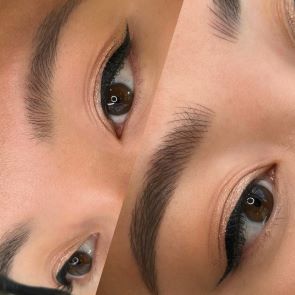
Bài viết bởi Erica Johnson, chuyên gia và huấn luyện viên về tạo hình lông mày.
Sức bền thầm lặng của một kỹ thuật phun xăm thẩm mỹ vượt thời gian.
Cứ vài năm một lần trong thế giới phun xăm thẩm mỹ, lại có một cuộc tranh luận mới về những gì đang "thịnh hành" và những gì đã "lỗi thời". Máy móc mới. Kim mới. Thuật ngữ mới. Những xu hướng mới hứa hẹn sẽ thay thế tất cả những gì đã có trước đó.
Tuy vậy, phun xăm lông mày còn lại.
Không phải vì nó không chịu tiến hóa, mà vì nó đã tiến hóa rồi. Microblading là một trong những kỹ thuật bền bỉ nhất trong PMU, và sau bảy năm đào tạo và thực hành, tôi có thể tự tin khẳng định rằng nó vẫn giữ một vị trí thiết yếu trong nghệ thuật tạo hình lông mày hiện đại.
Tôi vẫn yêu thích kỹ thuật phun xăm lông mày như ngày đầu tiên cầm dao cạo. Thậm chí có lẽ còn hơn thế nữa. Bởi vì giờ đây, tôi đã hiểu. Tại sao Nó hoạt động, khi Nó hoạt động tốt nhất, và Làm sao Nó phù hợp với một quy trình chăm sóc lông mày toàn diện và có đạo đức.
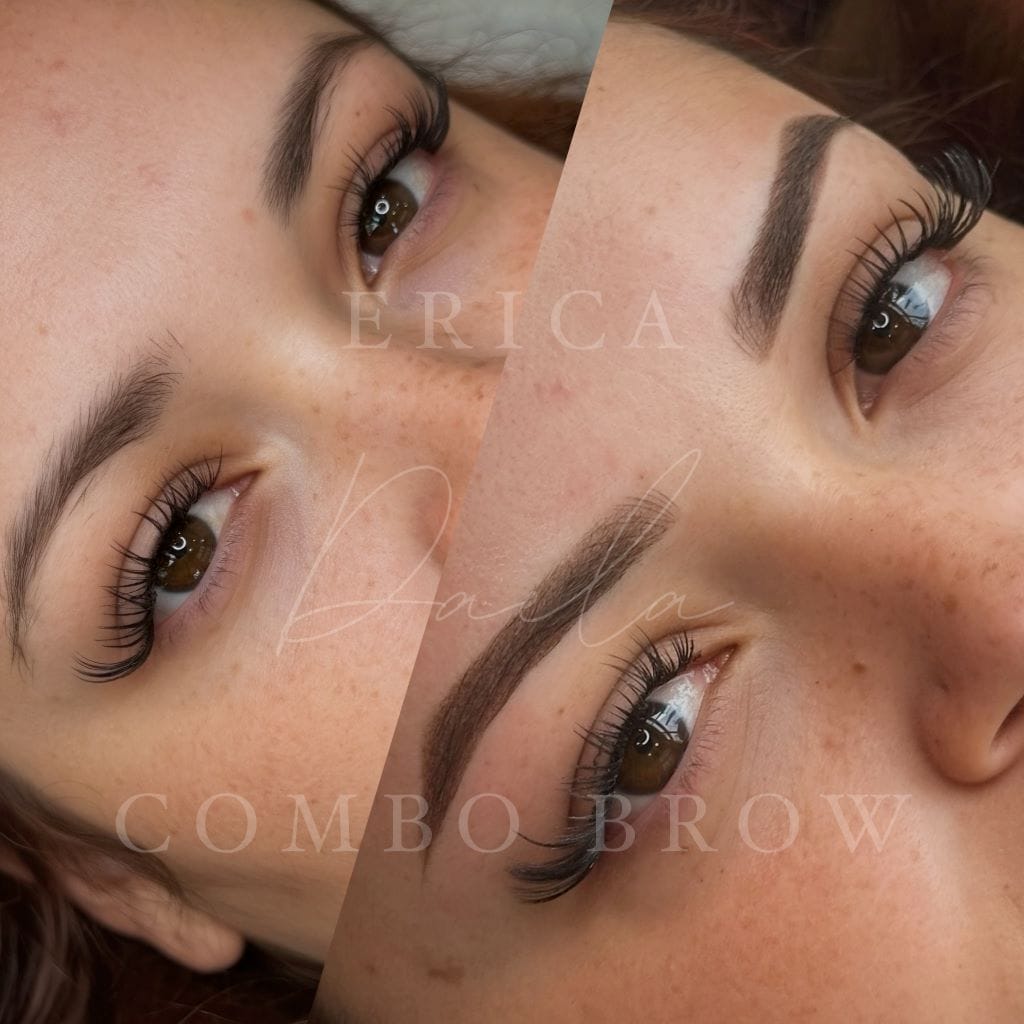
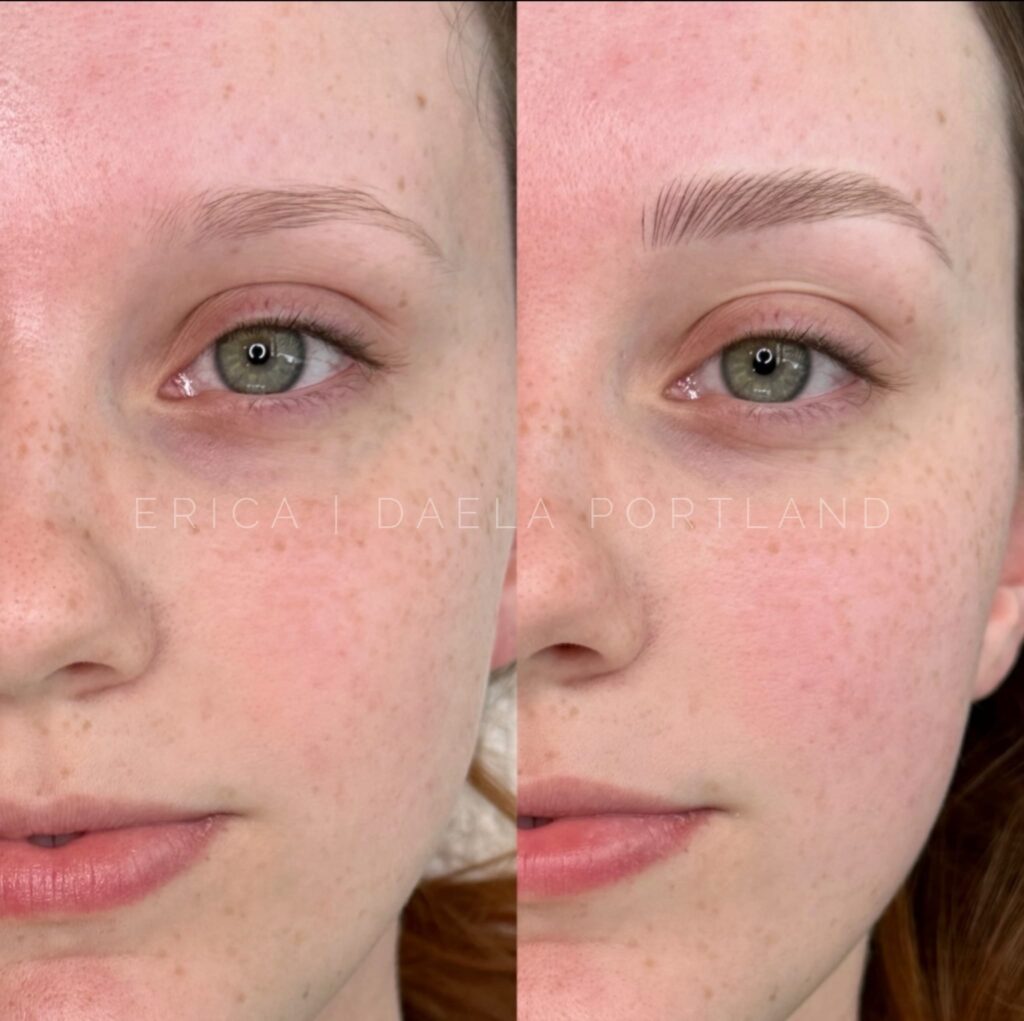
Microblading và Nanoblading: Cùng một nền tảng, nhưng dụng cụ khác nhau
Trước tiên, chúng ta cần làm rõ một số điều.
Kỹ thuật microblading và nanoblading không phải là hai kỹ thuật đối lập. Chúng không phải là đối thủ cạnh tranh. Chúng cũng không phải là hai dịch vụ hoàn toàn khác nhau.
Về bản chất, chúng là cùng một phương pháp.
Cả microblading và nanoblading đều là kỹ thuật tạo sợi lông mày thủ công. Chúng dựa vào sự kiểm soát tay, nhận thức về độ sâu, độ bão hòa sắc tố và vị trí đặt nét vẽ có chủ đích để mô phỏng vẻ ngoài của sợi lông mày tự nhiên. Triết lý đằng sau chúng là giống nhau. Mục tiêu là như nhau: tạo ra những nét vẽ chân thực, giống như sợi lông, giúp quá trình lành vết thương diễn ra nhẹ nhàng và tự nhiên.
Sự khác biệt nằm ở chỗ cấu hình kim và mức độ khó kỹ thuật.
Kỹ thuật microblading truyền thống sử dụng nhóm kim có kích thước lớn hơn một chút. Kỹ thuật nanoblading sử dụng kim siêu nhỏ, thường là kim đơn hoặc có cấu hình rất sát nhau. Vì kim nano nhỏ hơn và tinh tế hơn, nên nó đòi hỏi độ chính xác, tính nhất quán và khả năng kiểm soát độ sâu cao hơn từ người thực hiện.
Kim tiêm nhỏ hơn có nghĩa là:
- Ít chỗ cho sai sót hơn
- Nhu cầu kỹ thuật cao hơn
- Tăng cường sự phụ thuộc vào áp lực tay và cảm nhận da.
- Rủi ro tăng cao nếu nền tảng không vững chắc.
Nanoblading không phải là microblading “tốt hơn”. Nó là... trình độ cao Phun xăm lông mày.
Và sự khác biệt đó rất quan trọng, đặc biệt là trong quá trình đào tạo.
Hãy xem tổng quan về khóa đào tạo chuyên sâu trực tiếp của tôi!
Vì sao kỹ thuật phun xăm lông mày vẫn xứng đáng được tôn trọng
Tôi không thể đếm xuể rằng phương pháp phun xăm lông mày (microblading) đã bị tuyên bố là "lỗi thời". Thế nhưng, nó vẫn tiếp tục phát triển mạnh mẽ trong tay những nghệ sĩ lành nghề, những người hiểu rõ về da, sắc tố và kết quả lâu dài.
Sự thật là, kỹ thuật phun xăm lông mày không thất bại. Chính việc thiếu kiến thức và phương pháp thực hiện mới là nguyên nhân.
Khi kỹ thuật phun xăm lông mày được giảng dạy đúng cách, thực hành có trách nhiệm và lựa chọn đúng đối tượng, nó sẽ tạo ra kết quả đẹp tự nhiên mà khách hàng yêu thích. Kỹ thuật này cho phép kiểm soát tuyệt vời về hình dạng và vị trí các đường kẻ. Nó cho phép tạo ra những nét vẽ tinh tế mà máy móc không thể sao chép được.
Phương pháp phun xăm lông mày Microblading không phù hợp với tất cả khách hàng, và có nhiều kỹ thuật xăm lông mày khác nhau cho phép mọi người ở mọi lứa tuổi, loại da, tình trạng da và màu da đều có thể tham gia.
Với những loại da, lối sống và kỳ vọng phù hợp, phun xăm lông mày vẫn là một trong những phương pháp trang điểm thanh lịch nhất hiện nay. Hãy xem danh mục các dự án khách hàng của tôi!
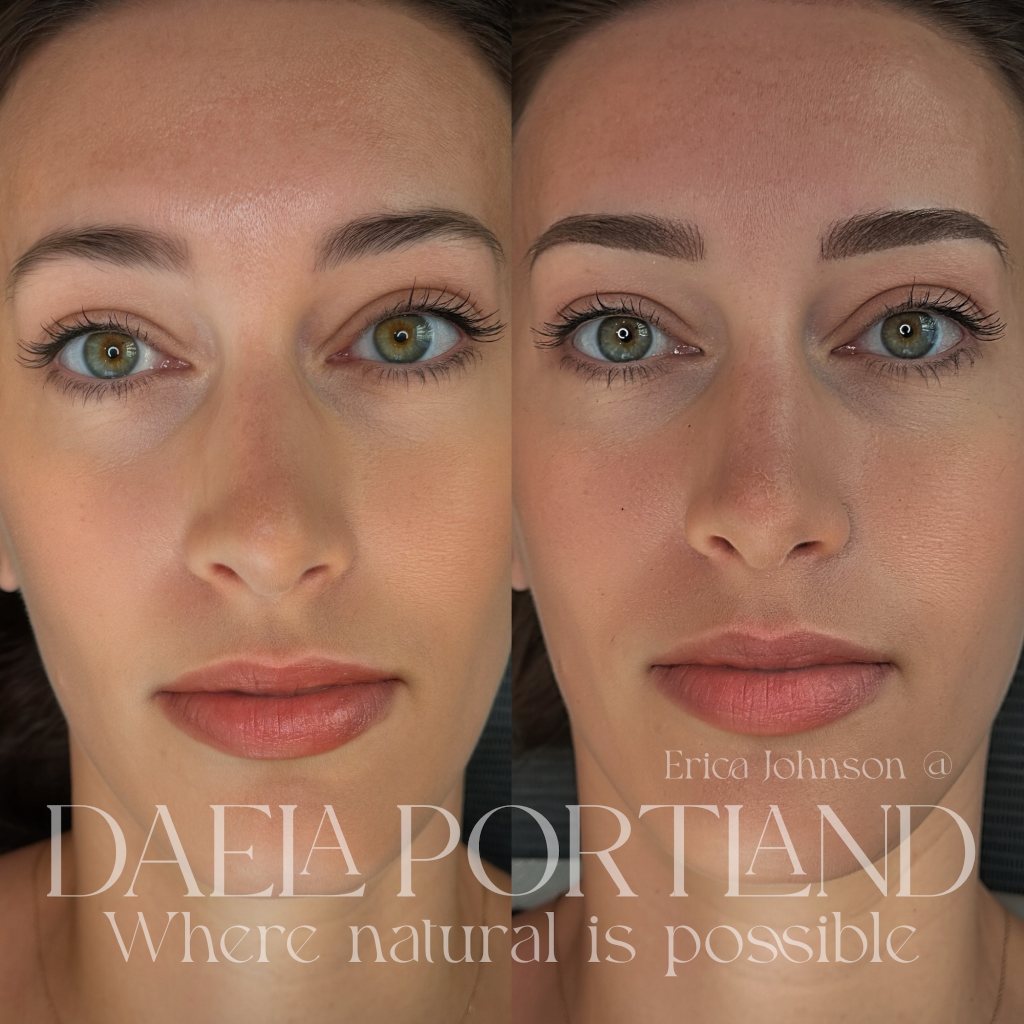
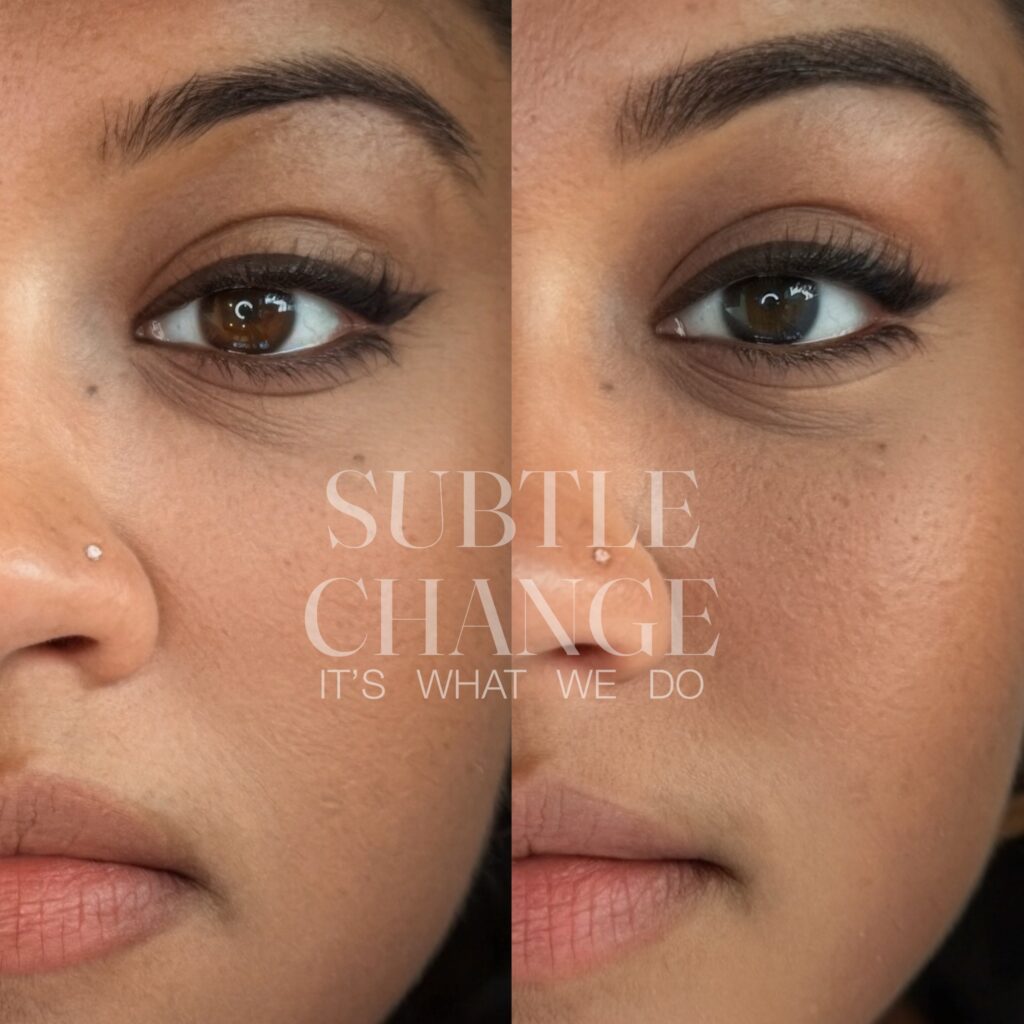
Bảy năm trôi qua, và tôi vẫn yêu thích việc giảng dạy môn học này.
Tôi đã theo học nghề phun xăm lông mày được bảy năm, và tôi vẫn cảm thấy đam mê với nó như lúc mới bắt đầu.
Niềm đam mê ấy đến từ việc chứng kiến học viên tự tin hơn vào đôi tay của mình. Từ việc nhìn họ chuyển từ những nét vẽ rụt rè, run rẩy sang những tác phẩm nghệ thuật có chủ đích, tinh tế. Từ việc giúp họ hiểu rằng phun xăm lông mày không phải là về tốc độ hay xu hướng, mà là về sự kiên nhẫn, kiểm soát và tôn trọng làn da.
Kỹ thuật phun xăm lông mày (Microblading) dạy những kiến thức cơ bản có thể áp dụng trong nhiều lĩnh vực khác. mọi Kỹ thuật tạo dáng lông mày khác.
Nó dạy rằng:
- Nhận thức chiều sâu
- Độ căng của da
- Tính nhất quán của nét vẽ
- Hành vi của sắc tố
- Đưa ra quyết định, không phải ghi nhớ.
Những kỹ năng này không biến mất khi bạn sử dụng máy móc. Chúng được chuyển giao, được củng cố và được nâng tầm toàn bộ quá trình thực hành của bạn.
Đó là lý do tại sao tôi tiếp tục giảng dạy kỹ thuật phun xăm lông mày với cùng một sự tận tâm và mục đích năm này qua năm khác.
Hãy xem khóa học trực tuyến bậc thạc sĩ của tôi!
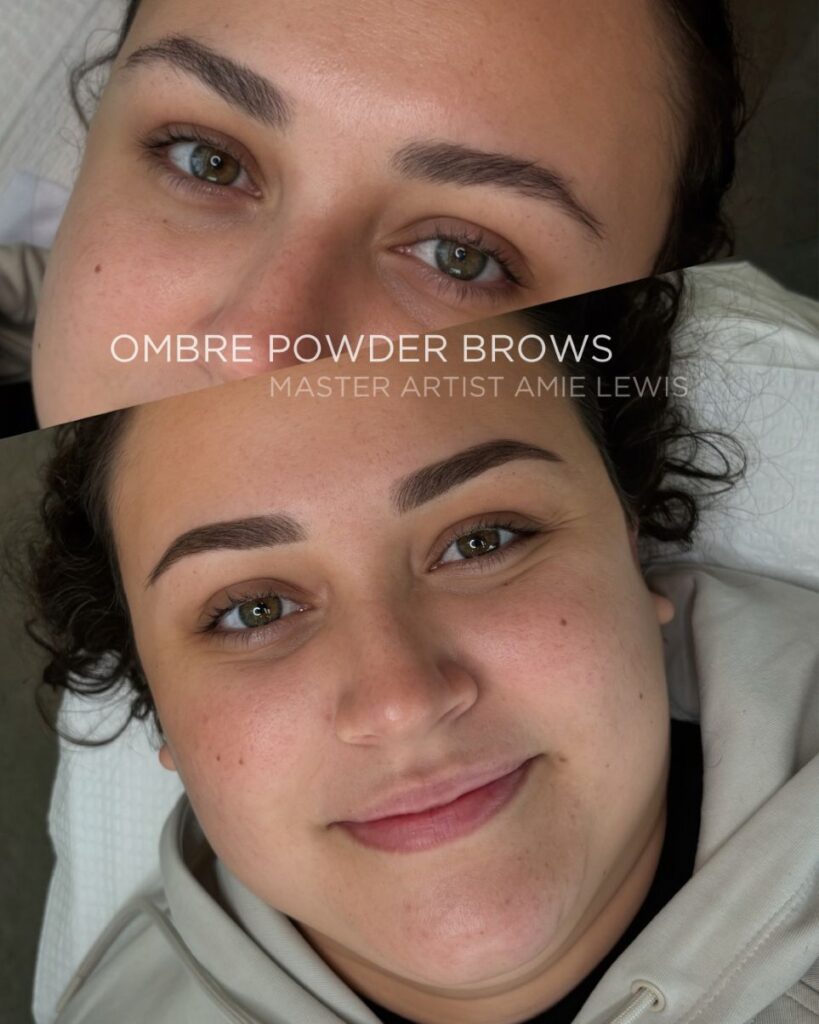
Mở rộng dịch vụ của tôi với kỹ thuật phun xăm lông mày Ombre Powder Brows
Khi lượng khách hàng của tôi tăng lên, nhu cầu của họ cũng đa dạng hơn.
Tôi làm việc với khách hàng ở mọi độ tuổi, từ 18 đến 75 tuổi. Mọi loại da. Mọi lối sống. Mọi kỳ vọng. Và mặc dù kỹ thuật phun xăm lông mày rất hiệu quả, nhưng nó không phù hợp với tất cả mọi người.
Đó là lý do tại sao tôi thêm dịch vụ phun xăm lông mày ombre vào thực đơn của mình.
Không phải để thay thế kỹ thuật phun xăm lông mày, mà là để hỗ trợ nó.
Kỹ thuật phun xăm chân mày ombre cho phép tôi tự tin thực hiện các liệu trình sau:
- Da dầu
- Da trưởng thành
- Da nhạy cảm hoặc dễ phản ứng
- Khách hàng ưa thích phong cách trang điểm nhẹ nhàng
- Khách hàng muốn chi phí bảo trì thấp hơn theo thời gian.
Bằng cách cung cấp cả hai kỹ thuật, tôi có thể đáp ứng nhu cầu của khách hàng thay vì áp đặt một giải pháp duy nhất cho tất cả.
Đây là điều tôi luôn nhấn mạnh trong quá trình huấn luyện.
Một chuyên gia tạo hình lông mày thành công không phải là người thực hiện một kỹ thuật nào đó một cách hoàn hảo. Đó là người hiểu rõ... cái mà Kỹ thuật này phù hợp với khách hàng đang ngồi trước mặt họ.
Vì sao tôi khuyến khích học viên kết hợp kỹ thuật phun xăm lông mày Microblading với kỹ thuật tạo hiệu ứng ombre bằng bột?
Chúng tôi từng dạy rằng một nghệ sĩ chỉ nên thành thạo một kỹ thuật duy nhất, và mặc dù việc thành thạo một kỹ thuật trước khi học thêm kỹ thuật khác vẫn là cách tốt nhất, nhưng việc biết nhiều kỹ thuật tạo hình lông mày khác nhau cũng rất quan trọng. Vì không phải tất cả khách hàng đều giống nhau. Giờ đây, khi sinh viên hỏi tôi về định hướng phát triển dài hạn của họ, câu trả lời của tôi luôn nhất quán.
Hãy bắt đầu với kỹ thuật microblading. Nắm vững các nguyên tắc cơ bản. Sau đó, thêm kỹ thuật ombre powder brows.
Kỹ thuật microblading giúp bạn rèn luyện kỹ năng tay, nhận thức về da và sự tự tin. Khi đã có những nền tảng vững chắc, việc học kỹ thuật vẽ lông mày ombre dạng bột sẽ trở nên dễ dàng, an toàn và trực quan hơn.
Thêm hiệu ứng lông mày dạng bột:
- Mở rộng cơ sở khách hàng của bạn
- Tăng tính linh hoạt của bạn
- Giảm thiểu các hạn chế dựa trên loại da
- Tăng cường hiệu quả tư vấn của bạn.
- Tạo dựng sự bền vững cho sự nghiệp của bạn
Tôi không tin rằng nên từ bỏ kỹ thuật phun xăm lông mày truyền thống sau khi đã thành thạo kỹ thuật sử dụng máy. Tôi tin rằng... xếp lớp nền giáo dục của bạn.
Những nghệ sĩ trụ vững trong ngành này là những người tôn trọng kỹ thuật, hiểu rõ giới hạn và không ngừng học hỏi một cách có chủ đích.
Hãy xem khóa đào tạo kỹ thuật vẽ lông mày Ombre Powder Brow của Amie Lewis.
Tương lai của lông mày không nằm ở một kỹ thuật duy nhất.
Ngành phun xăm thẩm mỹ không cần ít kỹ thuật hơn. Ngành này cần những nghệ sĩ giỏi hơn.
Những nghệ sĩ hiểu rõ khi nào nên chọn microblading, khi nào nên chọn nano, khi nào nên chọn powder, khi nào nên gợi ý kỹ thuật combo brows, và khi nào nên từ chối hoàn toàn.
Sức sống bền bỉ của kỹ thuật phun xăm lông mày đến từ khả năng cùng tồn tại với sự đổi mới, chứ không phải cạnh tranh với nó. Kỹ thuật này tiếp tục phát triển bởi vì các nghệ sĩ cũng phát triển.
Tôi tự hào được giảng dạy kỹ thuật phun xăm lông mày. Tôi tự hào được thực hành kỹ thuật này. Và tôi tự hào được hướng dẫn học viên đến với một nền giáo dục toàn diện, chuẩn bị cho họ đối mặt với khách hàng thực tế, làn da thực tế và độ bền lâu dài của dịch vụ.
Nếu bạn sẵn sàng học hỏi một cách bài bản, kỹ thuật phun xăm lông mày sẽ mang lại lợi ích cho bạn trong nhiều năm tới.
Và sau bảy năm, tôi có thể tự tin nói rằng, nơi này vẫn còn rất nhiều điều để khám phá.
Giới thiệu về Học viện Daela
Học viện DAELA là một nhà lãnh đạo được công nhận trên toàn cầu trong lĩnh vực hình xăm thẩm mỹ và đào tạo trang điểm vĩnh viễn, nổi tiếng với việc thiết lập tiêu chuẩn cao hơn về cả nghệ thuật và đạo đức. Với học viên đến từ khắp Hoa Kỳ và quốc tế để được đào tạo cùng đội ngũ của chúng tôi, danh tiếng của chúng tôi được xây dựng dựa trên kết quả hoàn hảo, kỹ thuật tiên tiến và cam kết sâu sắc đối với vẻ đẹp tự nhiên.
Các giảng viên của chúng tôi không chỉ là nghệ sĩ mà còn là những nhà giáo dục trong ngành, những người ưu tiên kết quả điều trị, sự toàn vẹn của da và sự hài lòng lâu dài của khách hàng. Mỗi khóa học được thiết kế để vượt ra ngoài các xu hướng nhất thời, cung cấp cho các nghệ sĩ một nền tảng vững chắc, linh hoạt, hỗ trợ sự phát triển nghề nghiệp thực sự.
Với các địa điểm tại Portland Và Scottsdale, Với hơn 25.000 khách hàng và hơn 3.000 đánh giá 5 sao, cộng đồng nghệ sĩ toàn cầu đang phát triển của chúng tôi được chăm sóc chu đáo bởi... Học viện DAELA Chúng tôi sẽ tiếp tục định hình tương lai của ngành trang điểm vĩnh viễn thông qua giáo dục chu đáo, tiêu chuẩn cao và phương pháp hướng đến kết quả.