博客

纹绣师可以在没有接受过医学培训的情况下提供乳晕修复纹身服务吗?

DAELA学院乳晕修复纹身培训
Can Permanent Makeup Artists Offer Areola Restoration Tattoo Without Medical Training

经过 莉娜·安德森 | 首席培训师 达拉学院

Areola restoration is one of the most meaningful services in paramedical tattooing.

For many clients, it represents the final step in a long journey; one that may have included surgery, illness, or significant life change. While the technical outcome matters, the emotional impact of this work is just as important.

Because of that, one of the most common questions artists ask is:

Do I need medical training to perform areola restoration tattoos?

The answer is clear.

No.

Permanent makeup artists do not need to be medical professionals to perform areola restoration tattooing.

This is true across all states.

Areola restoration falls under the scope of paramedical tattooing, which is regulated in the same way as other forms of permanent makeup. As long as you meet your state’s licensing requirements for tattooing or permanent cosmetics, you are legally able to offer this service.

However, this is where confusion often happens.

Not needing medical training does not mean this is a basic or entry-level service.

What Is Areola Restoration Tattooing?

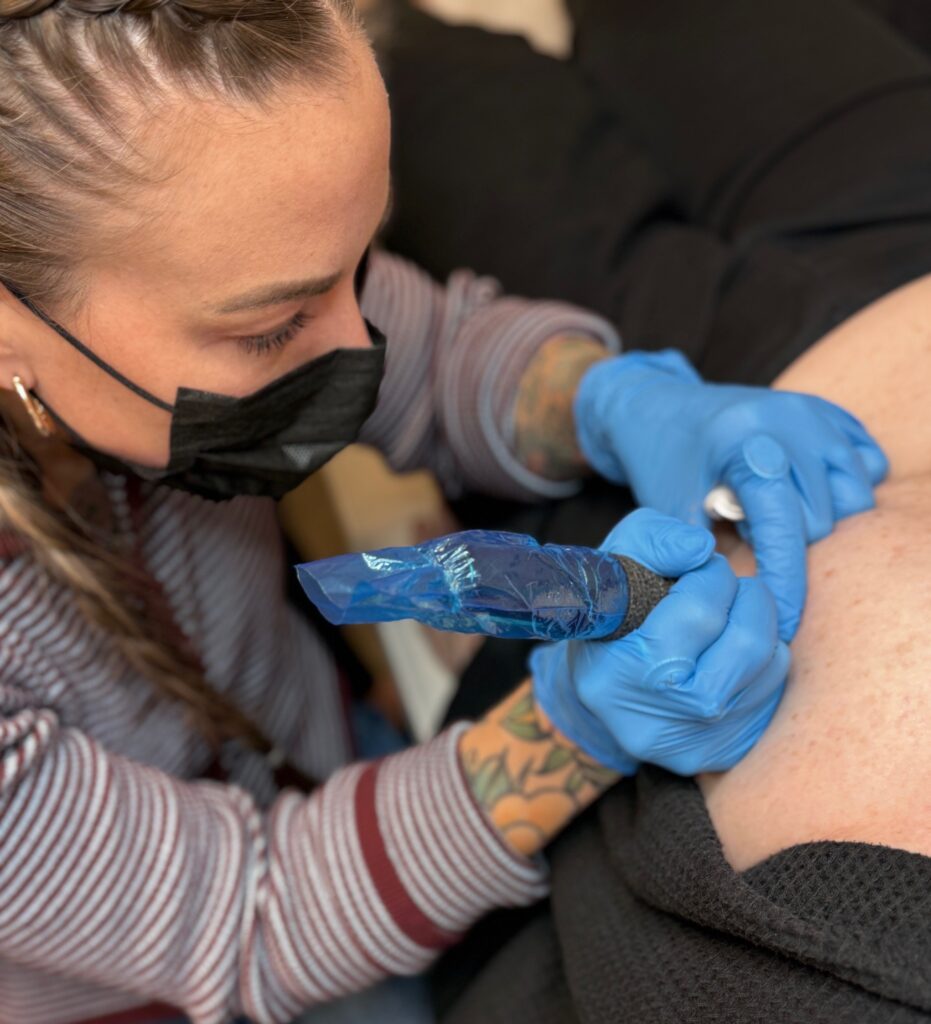
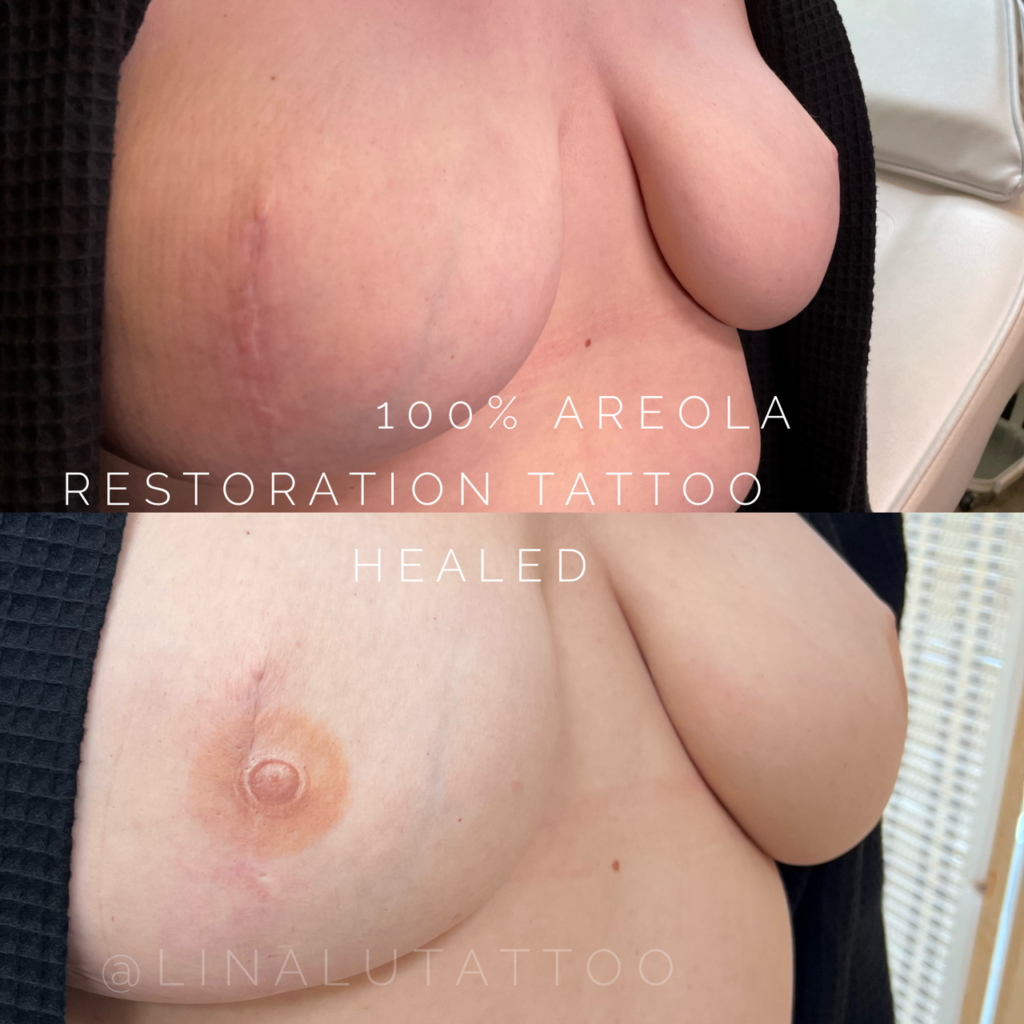
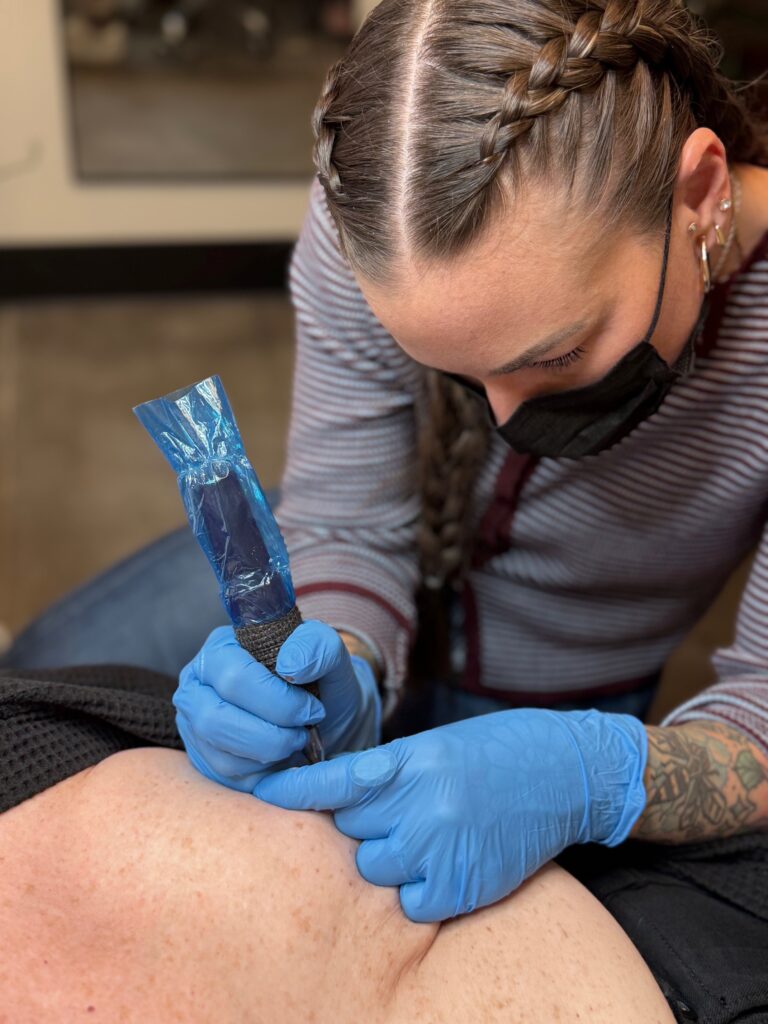
Areola restoration is a paramedical tattoo procedure designed to recreate the appearance of the areola and, in some cases, the nipple.

It is most commonly performed after:

  • Mastectomy and breast reconstruction
  • Top surgery
  • Trauma or scarring

The goal is not just aesthetic. It is restorative.

This type of work often helps clients feel more like themselves again. It can bring a sense of completion to a process that has been both physical and emotional.

Because of this, areola restoration requires a different level of care than traditional cosmetic tattooing.

Areola-Restoration-training

The Real Responsibility: Knowledge, Not Credentials

While you do not need a medical license, you do need a deeper level of understanding than what is required for standard cosmetic tattooing.

That includes:

  • How scar tissue behaves
  • How healing timelines affect results
  • How to assess whether skin is ready to be tattooed
  • How to adjust your technique based on surgical outcomes

You are not diagnosing or treating medical conditions, but you are working on skin that may have been medically altered.

That requires a higher level of awareness.

This is what separates paramedical tattooing from cosmetic work.

The Key Difference: Cosmetic vs Paramedical Tattooing

Understanding the difference between these two categories is essential.

Cosmetic Tattooing

Focused on:

  • Enhancement
  • Symmetry
  • Convenience

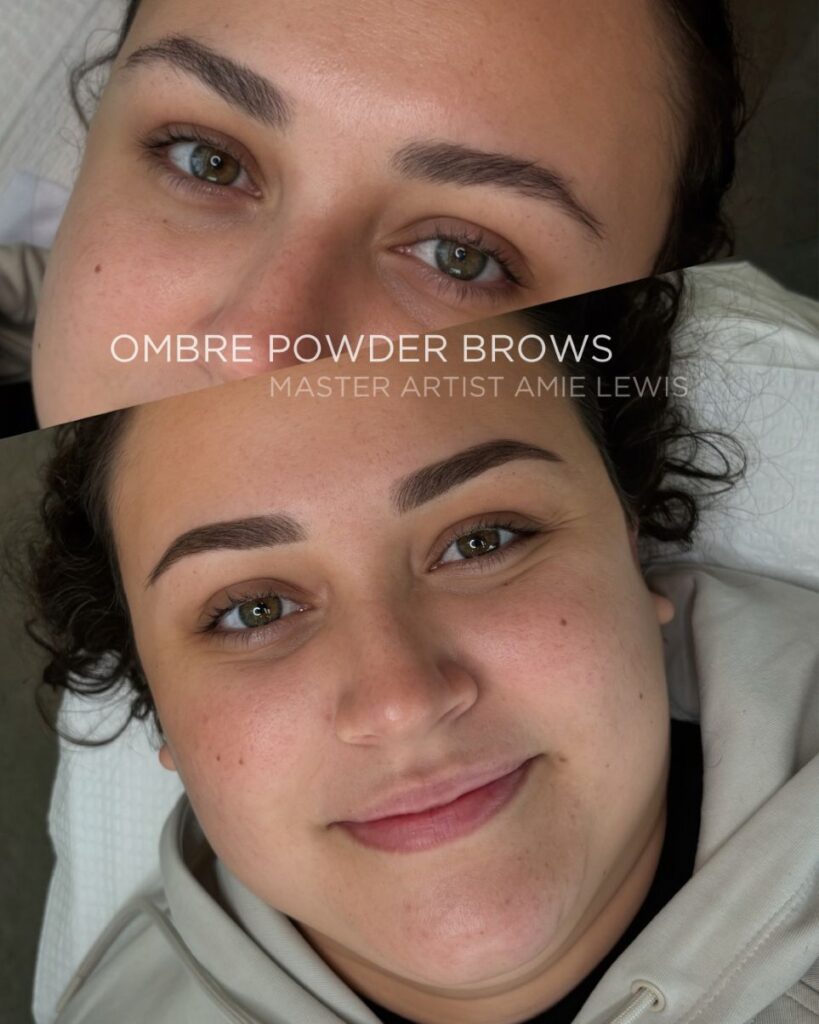
Examples include brows, lips, and eyeliner.

Paramedical Tattooing

Focused on:

  • Restoration
  • Recreating what was lost or altered
  • Supporting a client’s healing journey

This shift changes:

  • How you consult
  • How you assess the skin
  • How you approach the overall experience

The expectations and responsibilities are different.

Understanding Scar Tissue: The Most Critical Factor

Scar tissue behaves very differently from untreated skin.

It may be:

  • Thicker or more fibrous
  • Uneven in texture
  • Less predictable in pigment retention

This means you cannot approach areola tattooing the same way you would approach lips or brows.

How Scar Tissue Affects Your Work

Scar tissue can:

  • Resist pigment in certain areas
  • Hold pigment unevenly
  • Require slower, more controlled application

Without understanding this, artists may:

  • Overwork the area
  • Apply too much pressure
  • Create inconsistent results

Adapting Your Technique

Working on scar tissue requires:

  • Adjusted depth
  • Slower hand movement
  • Strategic layering

It is not about forcing pigment into the skin. It is about working with the skin’s limitations.

Timing: When Is the Skin Ready?

One of your most important responsibilities as an artist is knowing when not to proceed.

Skin that is not fully healed should not be tattooed.

Signs Skin May Not Be Ready

  • Redness or inflammation
  • Sensitivity or discomfort
  • Recent surgical changes
  • Unstable scar tissue

Tattooing too early can lead to:

  • 保留率低
  • Increased trauma
  • Compromised results

General Guideline

Most clients should wait several months after surgery before undergoing areola restoration. However, every case is different.

When in doubt, delaying treatment is always the safer choice.

The Emotional Component of Areola Restoration

Technical skill alone is not enough in paramedical tattooing.

Clients seeking areola restoration may be:

  • Recovering from breast cancer
  • Adjusting to their body after surgery
  • Navigating emotional or identity-related changes

Even when clients appear confident, there may be vulnerability beneath the surface.

This requires:

  • Sensitivity
  • Patience
  • Respect

If you are interested in learning areola restoration tattoo then you likely have the temperament that this technique requires, if you are unsure this is a great time to contact us and ask any detailed questions you may have. We are here to train and also to help guide and navigate the many choices available in the PMU world.

乳晕修复纹身

What Trauma-Informed Care Looks Like in Practice

A trauma-informed approach is essential in areola restoration.

这意味着:

  • Allowing the client to guide the pace of the consultation
  • 每一步之前都要征得同意
  • Avoiding assumptions about how they feel

You are not there to analyze or fix emotions. You are there to create a safe, respectful experience.

Simple language makes a difference:

  • “We can take this at your pace.”
  • “Let me know if anything feels uncomfortable.”

These small moments build trust.

Setting Realistic Expectations

One of the most important parts of your role is setting clear expectations.

Areola restoration can create incredibly realistic results—but it is still tattooing.

Clients should understand:

  • The process may require multiple sessions
  • Healing will soften and refine the result
  • Perfection is not the goal—natural restoration is

Clear communication prevents disappointment and builds confidence.

What Proper Training Should Include

A strong areola restoration training program should go far beyond technique.

It should include:

  • Advanced color matching
  • 3D illusion techniques
  • Scar tissue education
  • Consultation and communication skills
  • Healing and aftercare guidance

Without this foundation, artists are not fully prepared to offer this service responsibly.

When to Refer or Delay

Part of being a skilled artist is knowing your limits.

You should consider delaying or referring a client if:

  • The skin is not fully healed
  • There are visible signs of irritation or instability
  • The scar tissue is highly complex
  • You are not confident in the outcome

Choosing not to proceed is sometimes the most professional decision you can make.

How This Work Impacts Your Career

Artists who specialize in paramedical tattooing often find:

  • Deeper, more meaningful client relationships
  • A stronger sense of purpose in their work
  • A highly respected niche within the industry

However, it also requires:

  • Higher responsibility
  • Continued education
  • Thoughtful, intentional practice

This is not a service to add casually. It is one to approach with care.

常见问题解答

Do I need to be a nurse to perform areola restoration?

No. You do not need medical credentials, but you do need specialized training.

Is areola tattooing regulated differently?

It falls under permanent makeup and tattoo licensing in most states.

How many sessions does it take?

Most clients require at least two sessions to build depth and realism.

Can all scars be tattooed?

No. Proper assessment is required to determine suitability.

Is this a high-responsibility service?

Yes. It requires both technical skill and emotional awareness.

底线

You do not need medical training to perform areola restoration.

But you do need advanced education, thoughtful technique, and a deep respect for the responsibility that comes with this work.

Paramedical tattooing is not about credentials. It is about preparation.

And when approached correctly, it becomes one of the most meaningful and impactful services you can offer as an artist.

关于达拉学院

达拉学院 是全球公认的领导者 纹身美容 我们提供永久化妆教育,以其精湛的技艺和严谨的职业道德而闻名。学员来自美国各地乃至世界各地,前来接受我们团队的培训。我们始终坚持精益求精的技艺、先进的技术以及对自然美的执着追求,并以此赢得了良好的声誉。.

我们的培训师不仅是美甲师,更是行业教育家,他们始终将治疗效果、皮肤完整性和客户的长期满意度放在首位。每门课程都旨在超越潮流,为美甲师打下坚实且适应性强的基础,从而支持他们真正的职业发展。.

地点 波特兰斯科茨代尔, 我们为超过 25,000 名客户提供服务,并获得了超过 3,000 条五星好评,我们不断壮大的全球艺术家社区得到了卓越的管理。 达拉学院 我们将继续通过周全的教育、更高的标准和以结果为导向的方法,塑造永久化妆的未来。.
查看更多