By Amie Lewis | Master Trainer at DAELA Academy
If you are starting a career in permanent makeup, one of the first questions you will ask is simple:
Which brow technique should I learn first?
Microblading? Ombre powder brows? Machine hairstrokes? Combo brows?
It is a valid question and one that has evolved significantly over the past several years. The permanent makeup industry is not what it was even five years ago.
The truth is, the industry has changed.
Artists are no longer defined by a single technique. The most successful permanent makeup artists today are well-rounded. They understand multiple methods and know how to choose the right one based on the client in front of them.
At DAELA, most brow artists perform all techniques. So instead of asking which single method is “best,” the better question becomes:
What is the smartest place to start if your goal is to become a versatile, confident brow artist?
The Evolution of Brow Techniques in PMU
In the early days of modern permanent makeup, artists often specialized in one technique. Microblading became the dominant entry point. It was widely taught, heavily marketed, and known for its natural, hair-like results.
At the time, it made sense. It was approachable, visually impressive, and filled a gap in the beauty industry.
But over time, artists began to notice limitations.
Microblading does not perform equally across all skin types. Healing results can vary more than expected. Clients with oily, mature, or textured skin are often not ideal candidates for manual hairstrokes.
At the same time, machine technology improved.
Artists began using tattoo machines to create both hairstrokes and shading with greater precision and control. Techniques like nano brows and ombre powder brows became more refined, more predictable, and more adaptable.
Today, experienced artists are not defined by one technique. They are defined by their ability to choose the right technique for the right client.
The Three Core Brow Techniques Every Artist Should Know
If your goal is to build a long-term career in permanent makeup, there are three foundational brow techniques you should eventually learn.
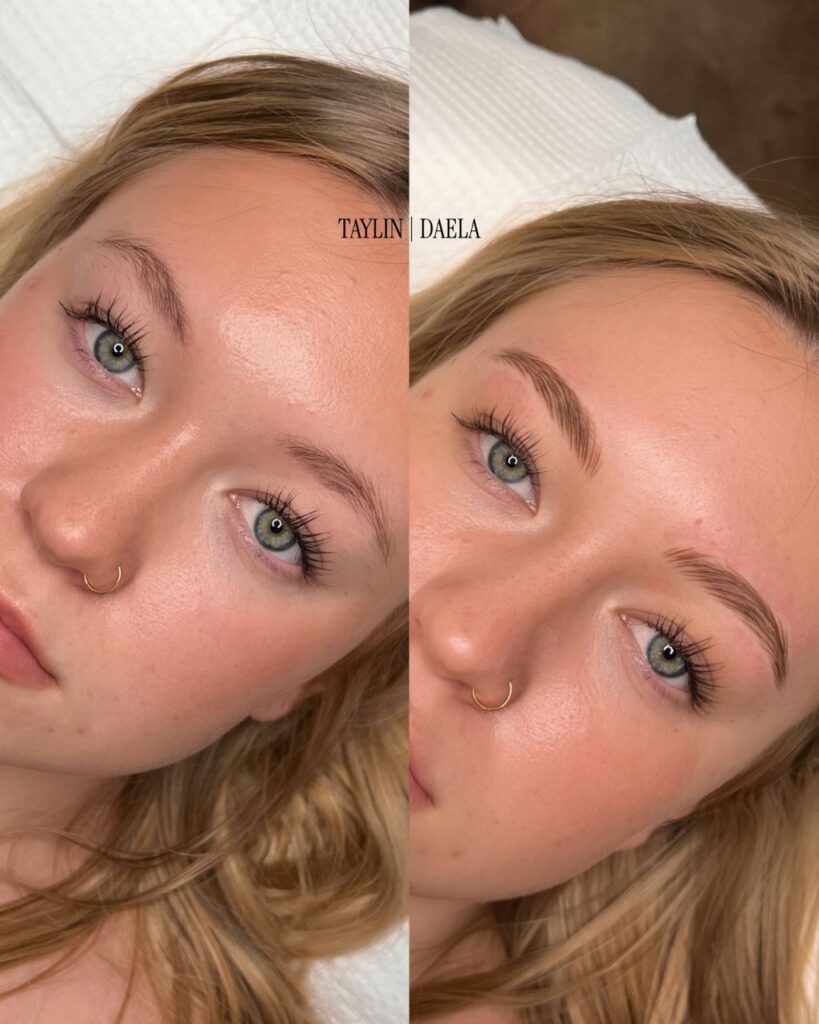
Hairstrokes
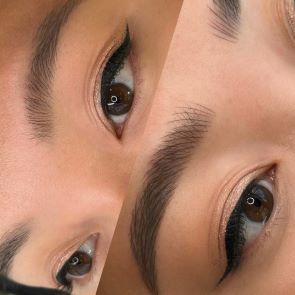
Hairstrokes can be created using either manual techniques such as microblading or nanoblading, or with a machine using nano brows. Both approaches use ultra-fine needles to create realistic, hair-like strokes that mimic natural brow growth.
This technique is known for:
• Hyper-realistic, natural-looking results
• Soft definition without a makeup effect
• Precision and detail
If you already know microblading, the most logical next step is learning ombre powder brows. This allows you to expand your skill set and work with a wider range of clients.
Ombre Powder Brows
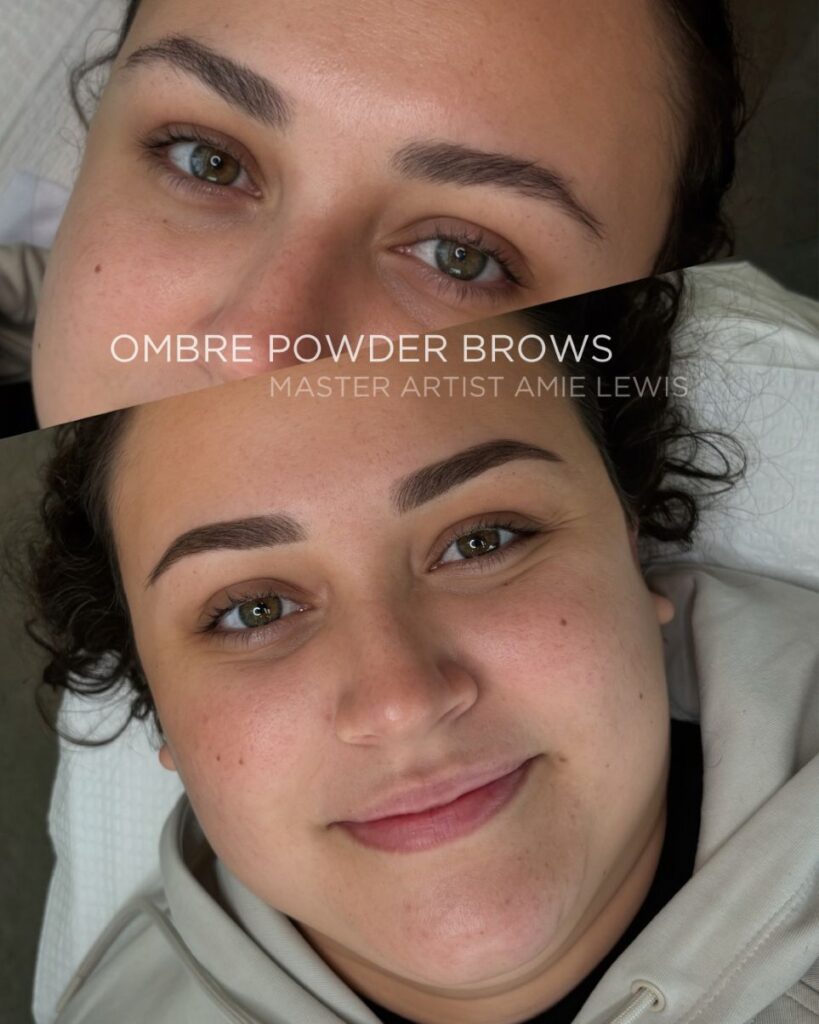
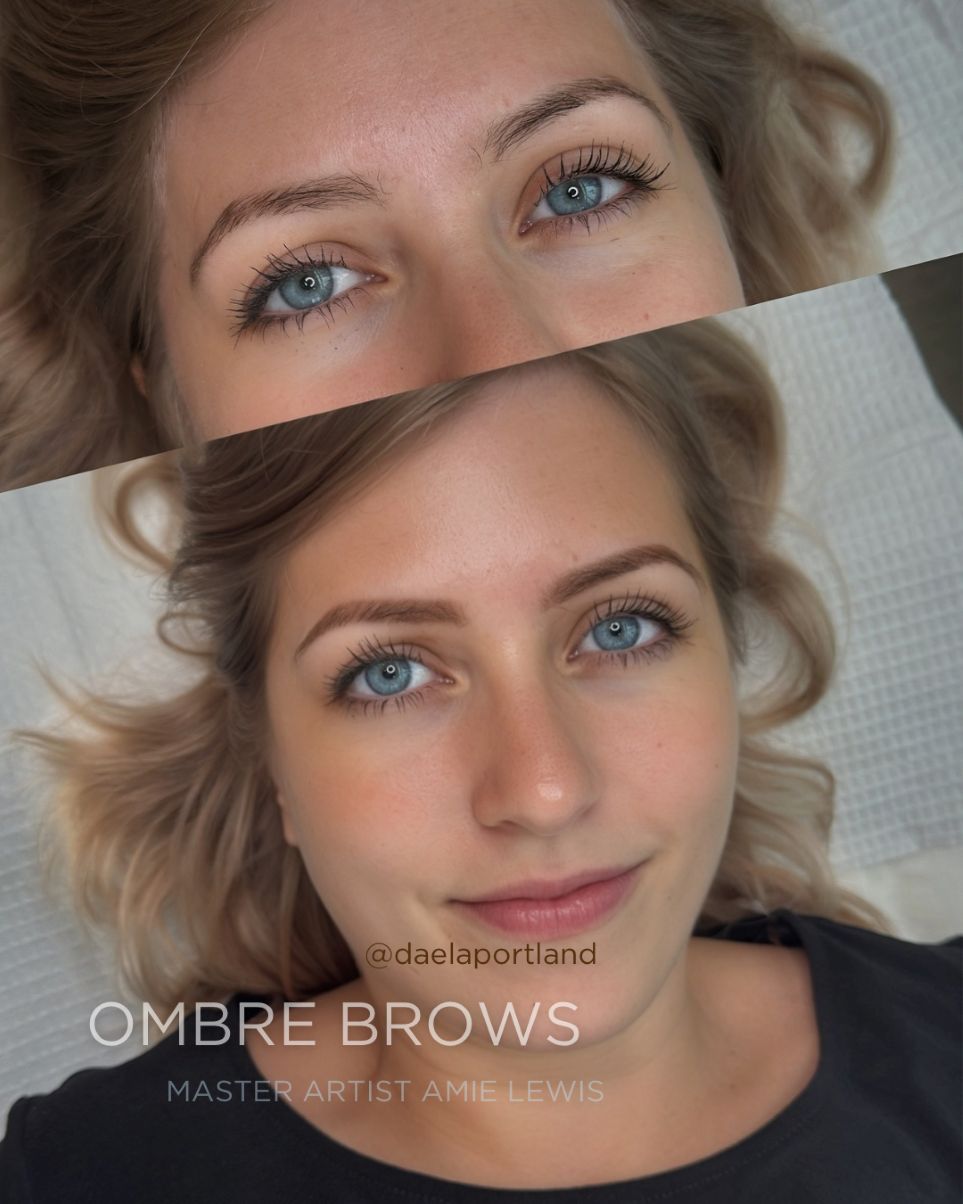
Ombre powder brows use a machine to create soft shading that builds density throughout the brow. The result is a gradient effect that is lighter at the front and more defined toward the tail.
This technique is known for:
• Strong retention
• Versatility across skin types
• A soft, makeup-inspired finish
• More predictable healed results
Ombre powder brows are one of the most reliable and adaptable techniques in modern PMU, making them a strong foundation for new artists.
Combo Brows
Combo brows combine hairstrokes and shading, allowing artists to create both structure and density within the same brow.
This is not typically a starting technique. Instead, it becomes available once you have developed proficiency in both hairstrokes and shading and understand how to blend them seamlessly.
Combo brows are not a separate entry point. They are the result of mastering foundational techniques and learning how to customize them.
All three of these techniques can be performed with a machine, which adds another layer of flexibility for modern artists.
Starting with Hairstrokes vs Ombre Powder Brows
If you are deciding between hairstrokes and ombre powder brows as your first technique, the choice often comes down to preference and learning style.
Hairstrokes tend to appeal to artists who are drawn to detail, precision, and natural artistry. They require a steady hand and a strong understanding of pattern and flow.
Ombre powder brows tend to appeal to artists who prefer structure, softness, and consistency. They offer more control and are generally more forgiving for beginners.
There is no wrong choice. Both techniques are highly in demand and widely loved by clients. More importantly, both paths lead to the same destination, which is versatility.
Where Microblading Fits In
While the industry is shifting away from microblading as a starting technique, artists who are trained in it are not moving away from offering the service.
Microblading is still a valuable skill. When performed on the right client, it can produce beautiful, natural-looking results.
There are also practical reasons to continue offering microblading or to learn it as part of your training.
Microblading remains one of the most searched permanent makeup terms online. Artists who do not offer it may miss opportunities to connect with clients who are specifically looking for that service.
Appointments are typically shorter and can be priced more accessibly, which allows for flexibility when structuring your schedule. For example, an artist who offers microblading, ombre powder brows, and nano brows can build a more efficient and diverse booking day.
Microblading and nanoblading also produce some of the crispest hairstrokes possible. When done well, the results can be incredibly refined.
The Challenge with Starting with Microblading
Interestingly, the challenges of microblading can also be a reason to start with it.
Microblading requires a high level of precision and control. It is more dependent on ideal conditions than machine techniques and is heavily influenced by skin type.
For beginners, this can create challenges such as:
• Inconsistent retention across different clients
• Greater variation in healed results
• Difficulty working on oily, mature, or textured skin
Machine techniques provide more control over depth, saturation, and consistency. This can make them easier to learn for many beginners and more adaptable across a wider range of clients.
However, starting with microblading can sharpen your technical skills early. It can elevate your precision and set a strong foundation for future techniques.
A Strategic Learning Path for New Artists
If your goal is to build a strong, adaptable skill set, a strategic progression might look like this:
• Starting with ombre powder brows offers the most accessible entry point and allows you to work across a wide range of skin types and age groups.
• Starting with microblading builds precision and technical skill early, but limits the range of clients you can confidently work on.
• Starting with machine nano brows allows you to offer hairstrokes across most skin types, but may make learning manual techniques later more challenging.
No matter where you begin, combining shading and hairstroke techniques creates a well-rounded and highly marketable skill set.
How This Sets You Up for Long-Term Success
Artists who offer multiple techniques are better positioned for long-term success.
They can work on a wider range of clients, which naturally increases booking opportunities. They produce more consistent healed results because they are not forcing one technique onto every client. They also adapt more easily as trends and technology evolve.
This is exactly where the industry is heading.
Clients are becoming more educated. They are looking for artists who can guide them, not just perform a service. The ability to assess skin, lifestyle, and goals and then recommend the right technique is what sets advanced artists apart.
What to Look for in a Brow Training Program
Choosing the right training program is just as important as choosing your first technique.
A strong program should include:
• Skin analysis and consultation training
• Technique selection and customization
• Healing education and expectations
• Real client scenarios and case studies
Learning how to choose the right technique is just as important as learning how to perform it. Technical skill alone is not enough. Decision-making is what builds trust and long-term success.
At DAELA Academy we will consult with you to help you decide which technique is best for you to start with! Contact us here and let’s start a conversation!
Frequently Asked Questions
Do I need to learn all techniques?
Yes, over time. Versatility is one of the most valuable skills you can develop as a permanent makeup artist.
Is microblading outdated?
No. It is simply more selective. It works best on specific skin types and should be offered accordingly.
Are machine brows harder to learn?
Not necessarily. Many artists find that machines provide more control, which can make them easier to learn.
Can I skip microblading?
Many modern artists focus primarily on machine techniques, especially when starting out. But you may find that microblading will have a strong place in your portfolio, once you’ve masters machine strokes.
The Bottom Line
There is no single “best” technique, but there is a smarter starting point.
Microblading remains a valuable skill, while machine-based techniques offer a stronger and more flexible foundation for many new artists.
At DAELA Cosmetic Tattoo, artists are trained across all brow techniques. This allows them to offer truly customized results and pivot when needed during the consultation process.
The most successful artists are not defined by one method. They are defined by their ability to adapt, assess, and choose the right technique for every client.
About Daela Academy
DAELA Academy is a globally recognized leader in cosmetic tattoo and permanent makeup education, known for setting a higher standard in both artistry and ethics. With students traveling from across the U.S. and internationally to train with our team, our reputation is built on consistently refined results, advanced technique, and a deep commitment to natural beauty.
Our trainers are not only artists, but industry educators who prioritize healed outcomes, skin integrity, and long-term client satisfaction. Every course is designed to move beyond trends, giving artists a strong, adaptable foundation that supports real career growth.
With locations in Portland and Scottsdale, serving over 25,000 clients with over 3,000 5-star reviews our growing global community of artists is in exceptional hands at DAELA Academy We will continue to shape the future of permanent makeup through thoughtful education, elevated standards, and a results-driven approach.