By Erica Johnson, Master Brow Artist & Trainer
The Quiet Resilience of a Timeless PMU Technique
Every few years in the permanent makeup world, there’s a new conversation about what’s “in” and what’s “out.” New machines. New needles. New terminology. New trends that promise to replace everything that came before them.
And yet, microblading remains.
Not because it refuses to evolve, but because it has. Microblading is one of the most resilient techniques in PMU, and after seven years of training and practicing it, I can confidently say it still holds an essential place in modern brow artistry.
I love microblading just as much today as I did when I first picked up a blade. Maybe even more. Because now, I understand why it works, when it works best, and how it fits into a well-rounded, ethical brow practice.
Microblading and Nanoblading: Same Foundation, Different Tools
Let’s clear something up first.
Microblading and nanoblading are not opposing techniques. They are not competitors. They are not entirely different services.
At their core, they are the same method.
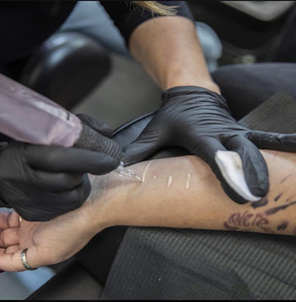
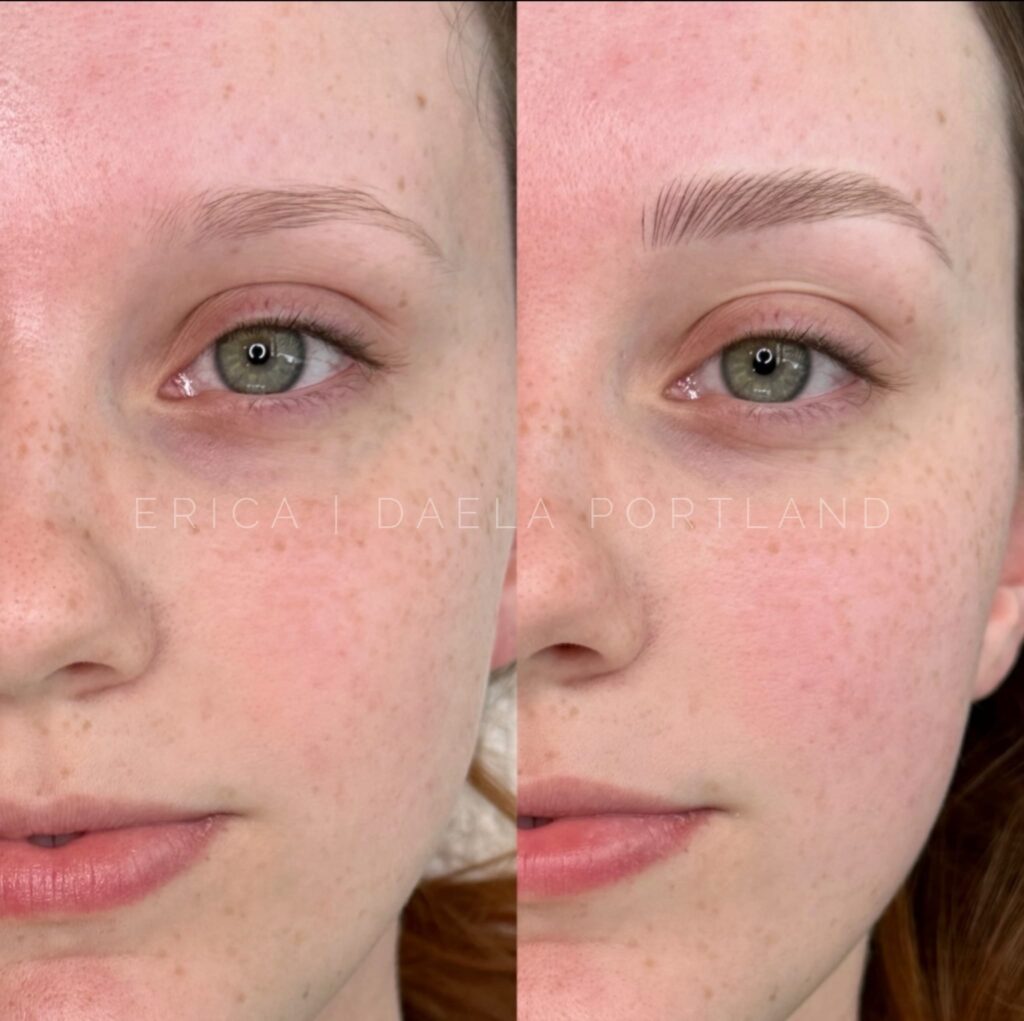
Both microblading and nanoblading are manual hairstroke techniques. They rely on hand control, depth awareness, pigment saturation, and intentional stroke placement to mimic the look of natural brow hair. The philosophy behind them is identical. The goal is the same: realistic, hair-like strokes that heal softly and naturally.
The difference lies in the needle configuration and the level of technical difficulty.
Traditional microblading uses a slightly larger needle grouping. Nanoblading uses ultra-fine needles, often single-point or very tight configurations. Because nano needles are smaller and more delicate, they demand a higher level of precision, consistency, and depth control from the artist.
Smaller needles mean:
- Less margin for error
- Greater technical demand
- Higher reliance on proper hand pressure and skin reading
- Increased risk if fundamentals are not solid
Nanoblading is not “better” microblading. It is advanced microblading.
And that distinction matters, especially in training.
See my in-person master class training overview!
Why Microblading Still Deserves Respect
Microblading has been declared “dead” more times than I can count. And yet, it continues to thrive in the hands of skilled artists who understand skin, pigment, and long-term results.
The truth is, microblading didn’t fail. Poor education and implementation did.
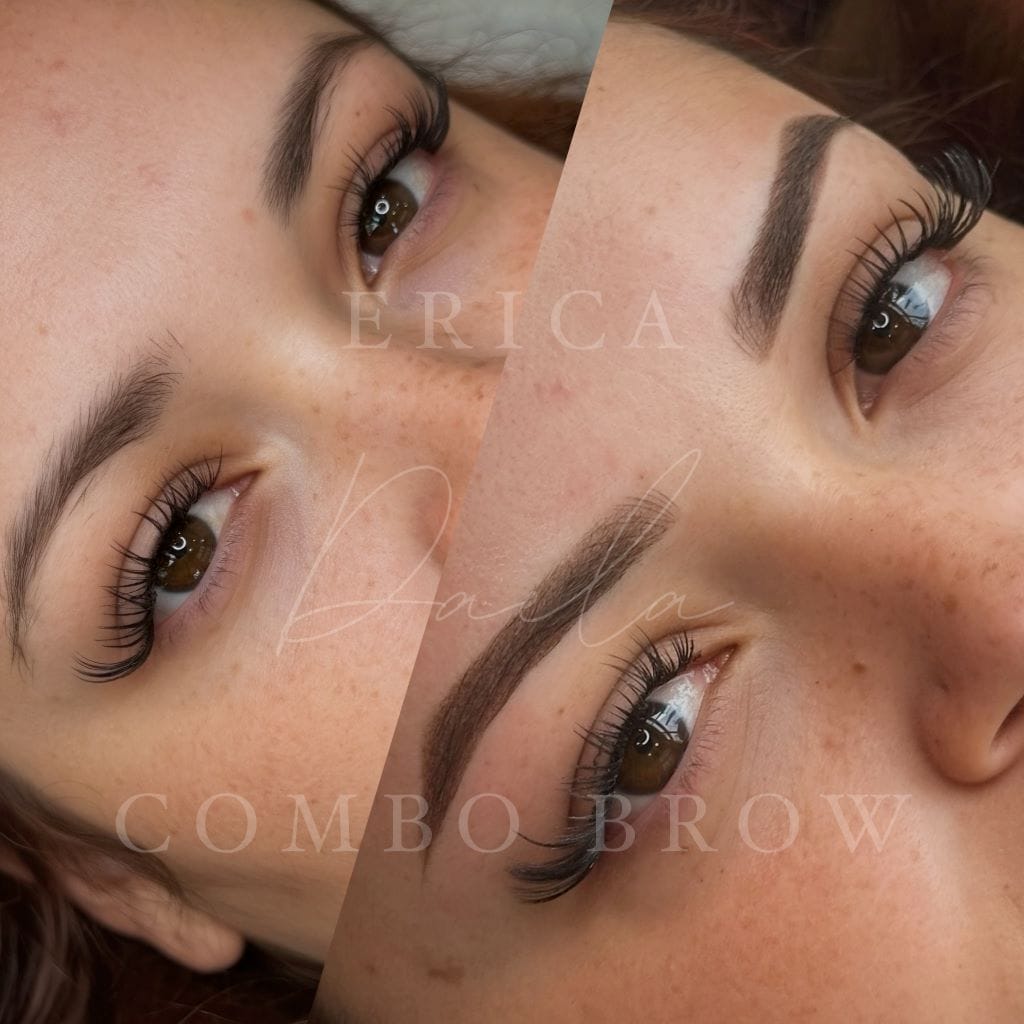
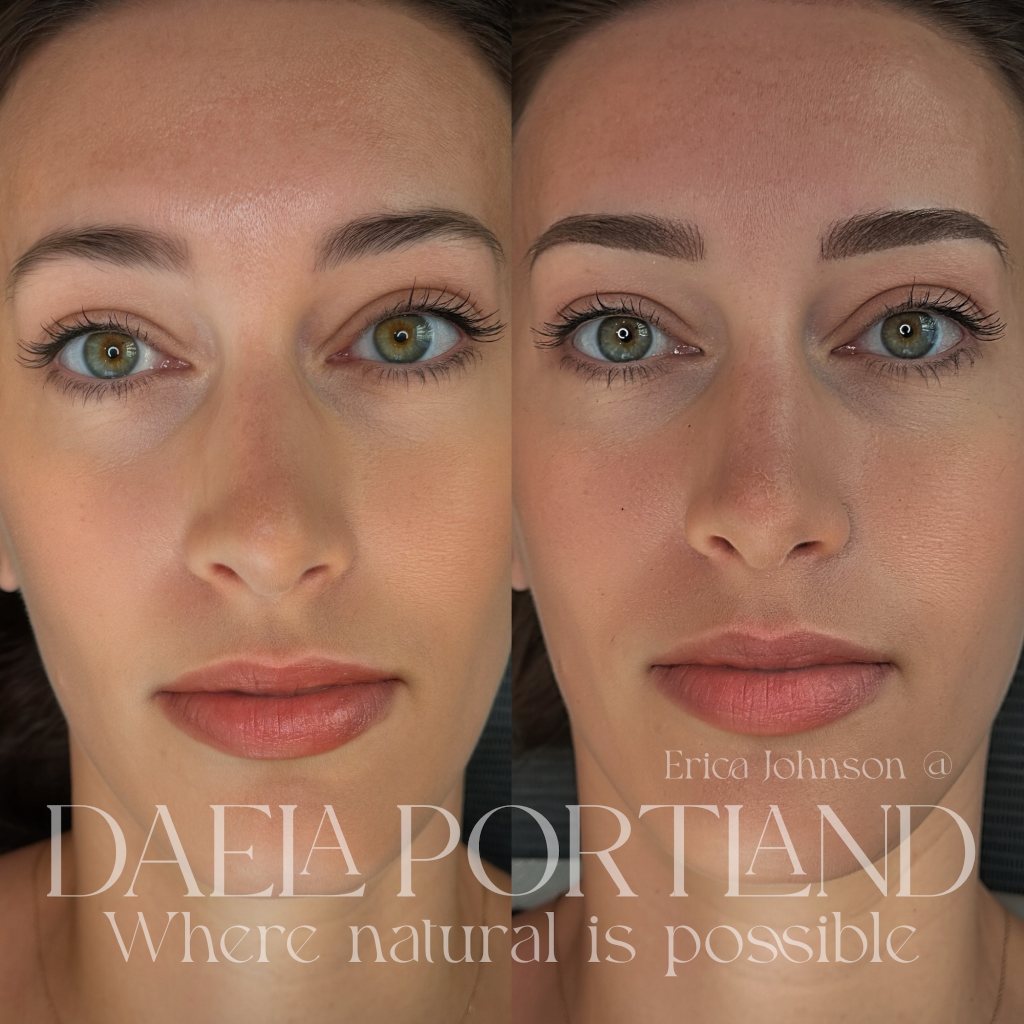
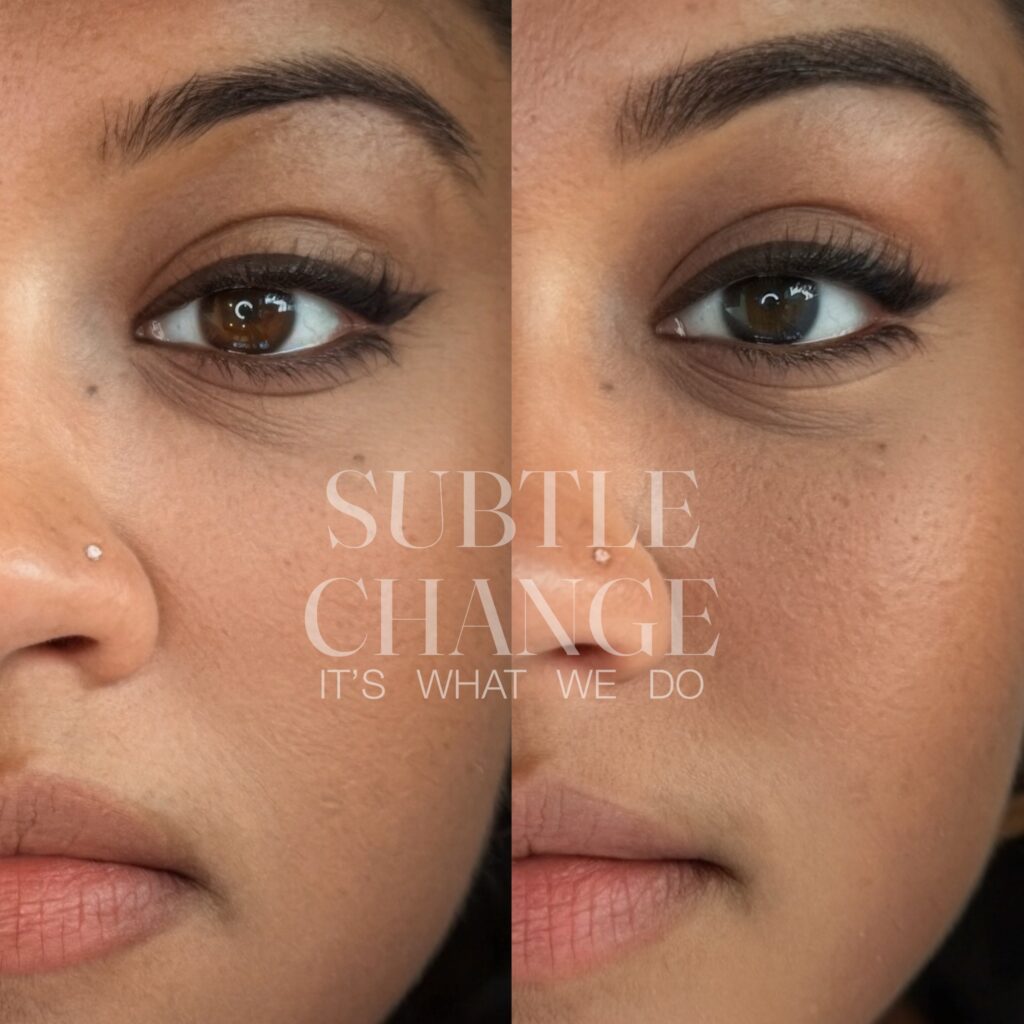
When microblading is taught correctly, practiced responsibly, and chosen for the right candidate, it produces beautiful, natural results that clients love. It offers unmatched control over stroke shape and placement. It allows for subtle artistry that machines simply do not replicate in the same way.
Microblading is not for every client, and there are multiple brow tattoo techniques that allow people of all ages, skin types, skin conditions, and skin colors to participate.
For the right skin types, lifestyles, and expectations, microblading remains one of the most elegant tools we have. See my client portfolio of work!
Seven Years In, and I Still Love Teaching It
I’ve been training microblading for seven years, and I still feel just as passionate about it as I did at the beginning.
That passion comes from seeing students build confidence in their hands. From watching them go from hesitant, shaky strokes to intentional, thoughtful artistry. From helping them understand that microblading is not about speed or trends, but about patience, control, and respect for the skin.
Microblading teaches fundamentals that carry into every other brow technique.
It teaches:
- Depth awareness
- Skin tension
- Stroke consistency
- Pigment behavior
- Decision-making, not memorization
These skills do not disappear when you pick up a machine. They transfer. They strengthen. They elevate your entire practice.
That’s why I continue to teach microblading with the same care and intention year after year.
Expanding My Practice With Ombre Powder Brows
As my clientele grew, so did the diversity of their needs.
I work with clients ranging from 18 to 75 years old. Every skin type. Every lifestyle. Every expectation. And while microblading is powerful, it is not universal.
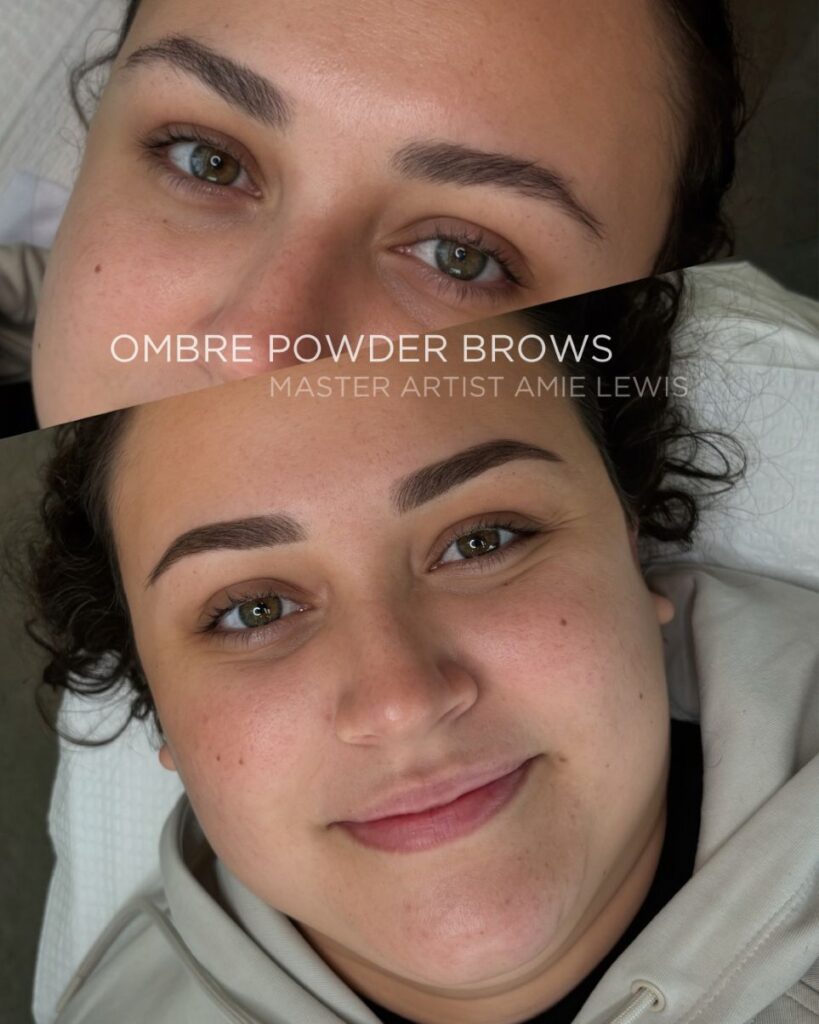
That’s why I added ombre powder brows to my practice.
Not to replace microblading, but to support it.
Ombre powder brows allowed me to confidently treat:
- Oily skin
- Mature skin
- Sensitive or reactive skin
- Clients who prefer a soft makeup look
- Clients who want lower maintenance over time
By offering both techniques, I could meet my clients where they were instead of forcing a one-size-fits-all solution.
This is something I emphasize deeply in training.
A successful brow artist is not someone who performs one technique beautifully. It’s someone who knows which technique is right for the client sitting in front of them.
Why I Encourage Students to Pair Microblading With Ombre Powder Training
We used to teach that an artist should only know one technique really well, and while mastering one before adding another is still the way to go, it is important to know multiple brow techniques- because not all clients are the same. Now, when students ask me what their long-term growth should look like, my answer is consistent.
Start with microblading. Master the fundamentals. Then add ombre powder brows.
Microblading builds your hand skills, your skin awareness, and your confidence. Once those foundations are strong, learning ombre powder brows becomes smoother, safer, and more intuitive.
Adding powder brows:
- Expands your client base
- Increases your versatility
- Reduces limitations based on skin type
- Strengthens your consultations
- Creates longevity in your career
I don’t believe in abandoning microblading once you learn machine work. I believe in layering your education.
The artists who last in this industry are the ones who respect technique, understand limitations, and continue learning with intention.
Check out Ombre Powder Brow Training by Amie Lewis
The Future of Brows Is Not One Technique
The PMU industry doesn’t need fewer techniques. It needs better artists.
Artists who understand when to choose microblading. When to choose nano. When to choose powder. When to suggest combo brows. And when to say no altogether.
Microblading’s resilience comes from its ability to coexist with innovation, not compete against it. It continues to evolve because artists evolve.
I’m proud to teach microblading. I’m proud to practice it. And I’m proud to guide students toward a well-rounded education that prepares them for real clients, real skin, and real longevity.
If you’re willing to learn it properly, microblading will give back to you for years to come.
And after seven years, I can confidently say, it still has so much to offer.
About Daela Academy
DAELA Academy is a globally recognized leader in cosmetic tattoo and permanent makeup education, known for setting a higher standard in both artistry and ethics. With students traveling from across the U.S. and internationally to train with our team, our reputation is built on consistently refined results, advanced technique, and a deep commitment to natural beauty.
Our trainers are not only artists, but industry educators who prioritize healed outcomes, skin integrity, and long-term client satisfaction. Every course is designed to move beyond trends, giving artists a strong, adaptable foundation that supports real career growth.
With locations in Portland and Scottsdale, serving over 25,000 clients with over 3,000 5-star reviews our growing global community of artists is in exceptional hands at DAELA Academy We will continue to shape the future of permanent makeup through thoughtful education, elevated standards, and a results-driven approach.