By Lina Anderson | Master Trainer at DAELA Academy
Areola restoration is one of the most meaningful services in paramedical tattooing.
For many clients, it represents the final step in a long journey; one that may have included surgery, illness, or significant life change. While the technical outcome matters, the emotional impact of this work is just as important.
Because of that, one of the most common questions artists ask is:
Do I need medical training to perform areola restoration tattoos?
The answer is clear.
No.
Permanent makeup artists do not need to be medical professionals to perform areola restoration tattooing.
This is true across all states.
Areola restoration falls under the scope of paramedical tattooing, which is regulated in the same way as other forms of permanent makeup. As long as you meet your state’s licensing requirements for tattooing or permanent cosmetics, you are legally able to offer this service.
However, this is where confusion often happens.
Not needing medical training does not mean this is a basic or entry-level service.
What Is Areola Restoration Tattooing?
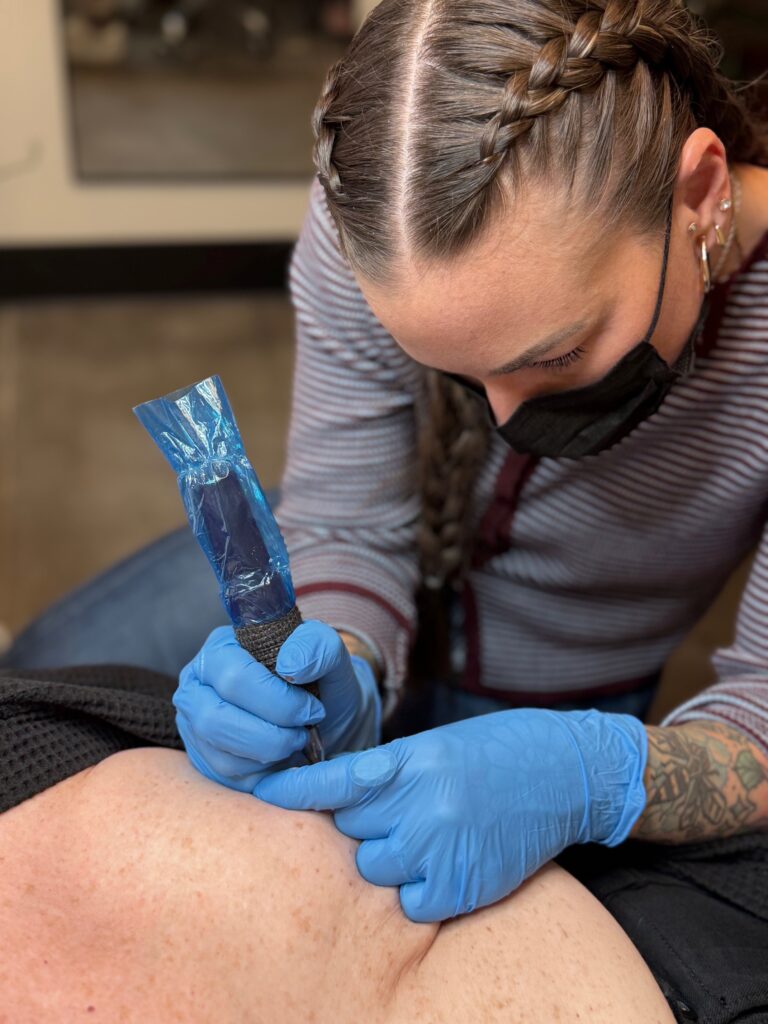
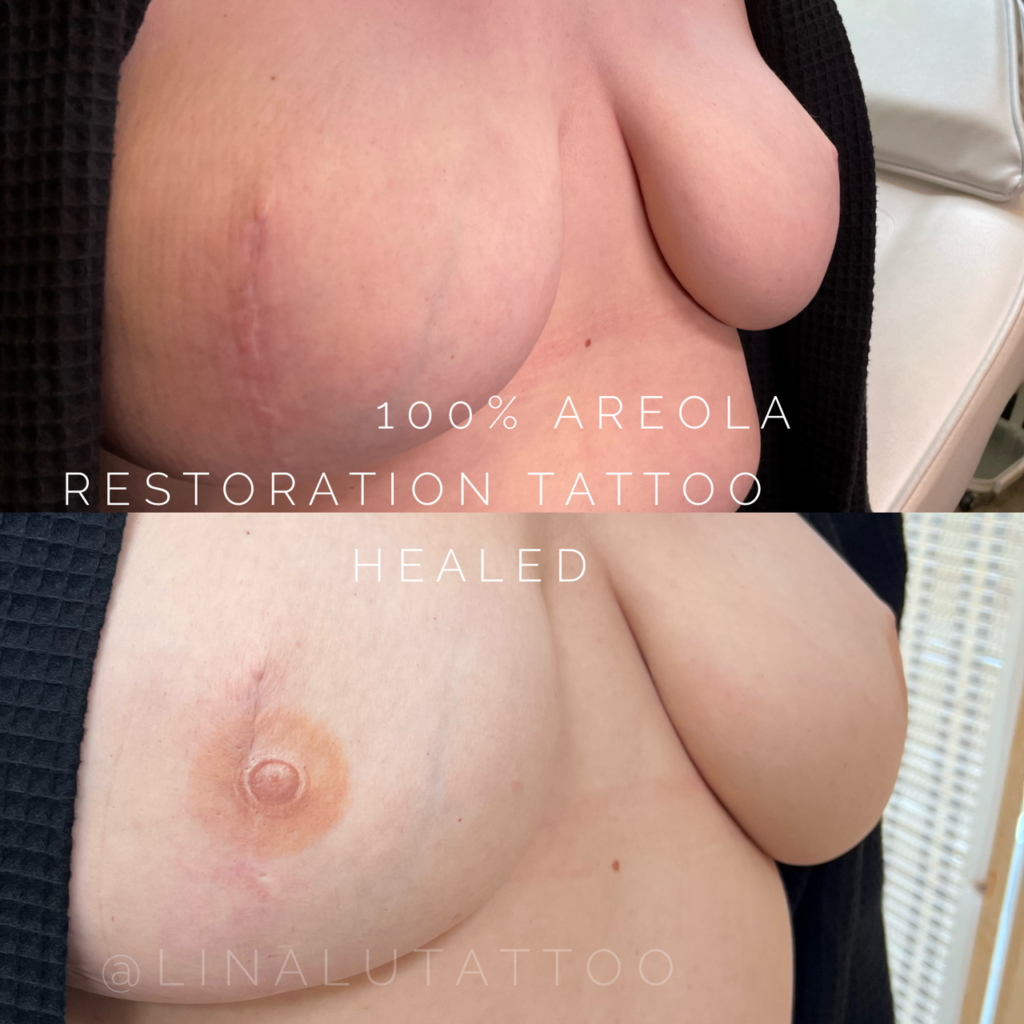
Areola restoration is a paramedical tattoo procedure designed to recreate the appearance of the areola and, in some cases, the nipple.
It is most commonly performed after:
- Mastectomy and breast reconstruction
- Top surgery
- Trauma or scarring
The goal is not just aesthetic. It is restorative.
This type of work often helps clients feel more like themselves again. It can bring a sense of completion to a process that has been both physical and emotional.
Because of this, areola restoration requires a different level of care than traditional cosmetic tattooing.
The Real Responsibility: Knowledge, Not Credentials
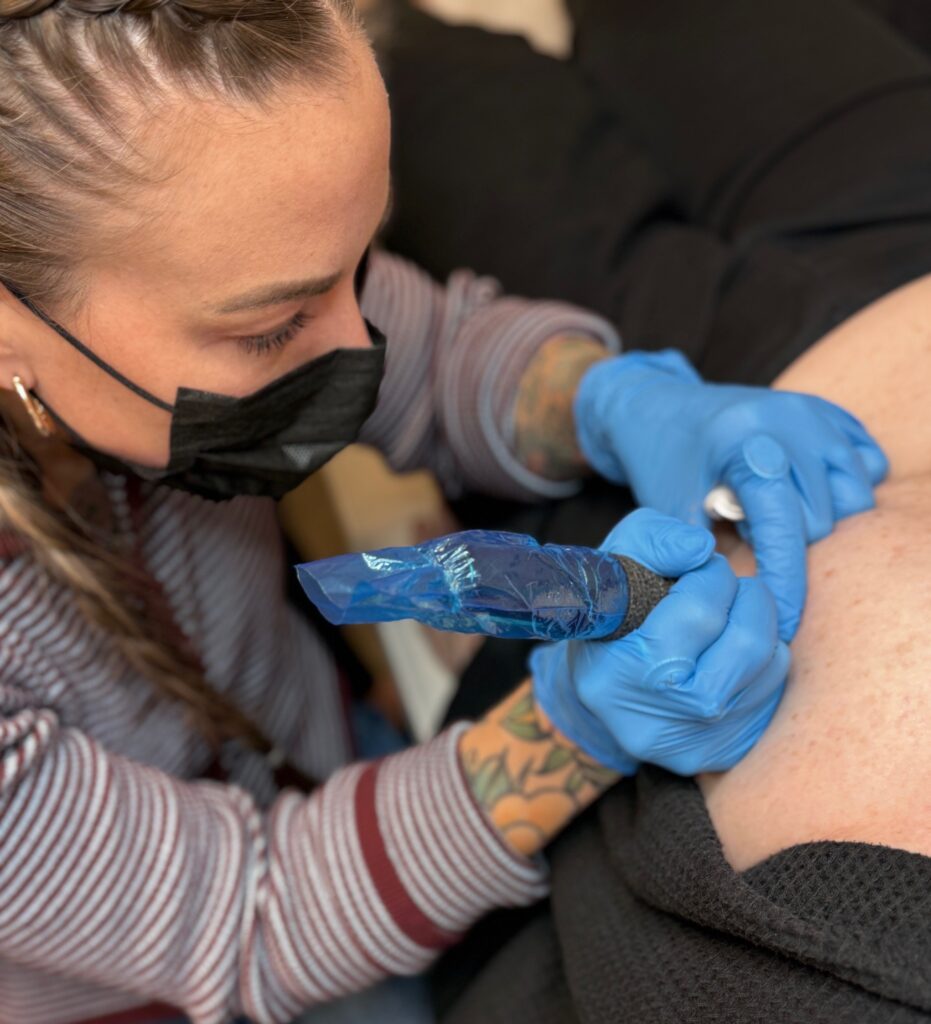
While you do not need a medical license, you do need a deeper level of understanding than what is required for standard cosmetic tattooing.
That includes:
- How scar tissue behaves
- How healing timelines affect results
- How to assess whether skin is ready to be tattooed
- How to adjust your technique based on surgical outcomes
You are not diagnosing or treating medical conditions, but you are working on skin that may have been medically altered.
That requires a higher level of awareness.
This is what separates paramedical tattooing from cosmetic work.
The Key Difference: Cosmetic vs Paramedical Tattooing
Understanding the difference between these two categories is essential.
Cosmetic Tattooing
Focused on:
- Enhancement
- Symmetry
- Convenience
Examples include brows, lips, and eyeliner.
Paramedical Tattooing
Focused on:
- Restoration
- Recreating what was lost or altered
- Supporting a client’s healing journey
This shift changes:
- How you consult
- How you assess the skin
- How you approach the overall experience
The expectations and responsibilities are different.
Understanding Scar Tissue: The Most Critical Factor
Scar tissue behaves very differently from untreated skin.
It may be:
- Thicker or more fibrous
- Uneven in texture
- Less predictable in pigment retention
This means you cannot approach areola tattooing the same way you would approach lips or brows.
How Scar Tissue Affects Your Work
Scar tissue can:
- Resist pigment in certain areas
- Hold pigment unevenly
- Require slower, more controlled application
Without understanding this, artists may:
- Overwork the area
- Apply too much pressure
- Create inconsistent results
Adapting Your Technique
Working on scar tissue requires:
- Adjusted depth
- Slower hand movement
- Strategic layering
It is not about forcing pigment into the skin. It is about working with the skin’s limitations.
Timing: When Is the Skin Ready?
One of your most important responsibilities as an artist is knowing when not to proceed.
Skin that is not fully healed should not be tattooed.
Signs Skin May Not Be Ready
- Redness or inflammation
- Sensitivity or discomfort
- Recent surgical changes
- Unstable scar tissue
Tattooing too early can lead to:
- Poor retention
- Increased trauma
- Compromised results
General Guideline
Most clients should wait several months after surgery before undergoing areola restoration. However, every case is different.
When in doubt, delaying treatment is always the safer choice.
The Emotional Component of Areola Restoration
Technical skill alone is not enough in paramedical tattooing.
Clients seeking areola restoration may be:
- Recovering from breast cancer
- Adjusting to their body after surgery
- Navigating emotional or identity-related changes
Even when clients appear confident, there may be vulnerability beneath the surface.
This requires:
- Sensitivity
- Patience
- Respect
If you are interested in learning areola restoration tattoo then you likely have the temperament that this technique requires, if you are unsure this is a great time to contact us and ask any detailed questions you may have. We are here to train and also to help guide and navigate the many choices available in the PMU world.
What Trauma-Informed Care Looks Like in Practice
A trauma-informed approach is essential in areola restoration.
This means:
- Allowing the client to guide the pace of the consultation
- Asking for consent before each step
- Avoiding assumptions about how they feel
You are not there to analyze or fix emotions. You are there to create a safe, respectful experience.
Simple language makes a difference:
- “We can take this at your pace.”
- “Let me know if anything feels uncomfortable.”
These small moments build trust.
Setting Realistic Expectations
One of the most important parts of your role is setting clear expectations.
Areola restoration can create incredibly realistic results—but it is still tattooing.
Clients should understand:
- The process may require multiple sessions
- Healing will soften and refine the result
- Perfection is not the goal—natural restoration is
Clear communication prevents disappointment and builds confidence.
What Proper Training Should Include
A strong areola restoration training program should go far beyond technique.
It should include:
- Advanced color matching
- 3D illusion techniques
- Scar tissue education
- Consultation and communication skills
- Healing and aftercare guidance
Without this foundation, artists are not fully prepared to offer this service responsibly.
When to Refer or Delay
Part of being a skilled artist is knowing your limits.
You should consider delaying or referring a client if:
- The skin is not fully healed
- There are visible signs of irritation or instability
- The scar tissue is highly complex
- You are not confident in the outcome
Choosing not to proceed is sometimes the most professional decision you can make.
How This Work Impacts Your Career
Artists who specialize in paramedical tattooing often find:
- Deeper, more meaningful client relationships
- A stronger sense of purpose in their work
- A highly respected niche within the industry
However, it also requires:
- Higher responsibility
- Continued education
- Thoughtful, intentional practice
This is not a service to add casually. It is one to approach with care.
Frequently Asked Questions
Do I need to be a nurse to perform areola restoration?
No. You do not need medical credentials, but you do need specialized training.
Is areola tattooing regulated differently?
It falls under permanent makeup and tattoo licensing in most states.
How many sessions does it take?
Most clients require at least two sessions to build depth and realism.
Can all scars be tattooed?
No. Proper assessment is required to determine suitability.
Is this a high-responsibility service?
Yes. It requires both technical skill and emotional awareness.
The Bottom Line
You do not need medical training to perform areola restoration.
But you do need advanced education, thoughtful technique, and a deep respect for the responsibility that comes with this work.
Paramedical tattooing is not about credentials. It is about preparation.
And when approached correctly, it becomes one of the most meaningful and impactful services you can offer as an artist.
About Daela Academy
DAELA Academy is a globally recognized leader in cosmetic tattoo and permanent makeup education, known for setting a higher standard in both artistry and ethics. With students traveling from across the U.S. and internationally to train with our team, our reputation is built on consistently refined results, advanced technique, and a deep commitment to natural beauty.
Our trainers are not only artists, but industry educators who prioritize healed outcomes, skin integrity, and long-term client satisfaction. Every course is designed to move beyond trends, giving artists a strong, adaptable foundation that supports real career growth.
With locations in Portland and Scottsdale, serving over 25,000 clients with over 3,000 5-star reviews our growing global community of artists is in exceptional hands at DAELA Academy We will continue to shape the future of permanent makeup through thoughtful education, elevated standards, and a results-driven approach.