By Angela Vice | Master Trainer at DAELA Academy
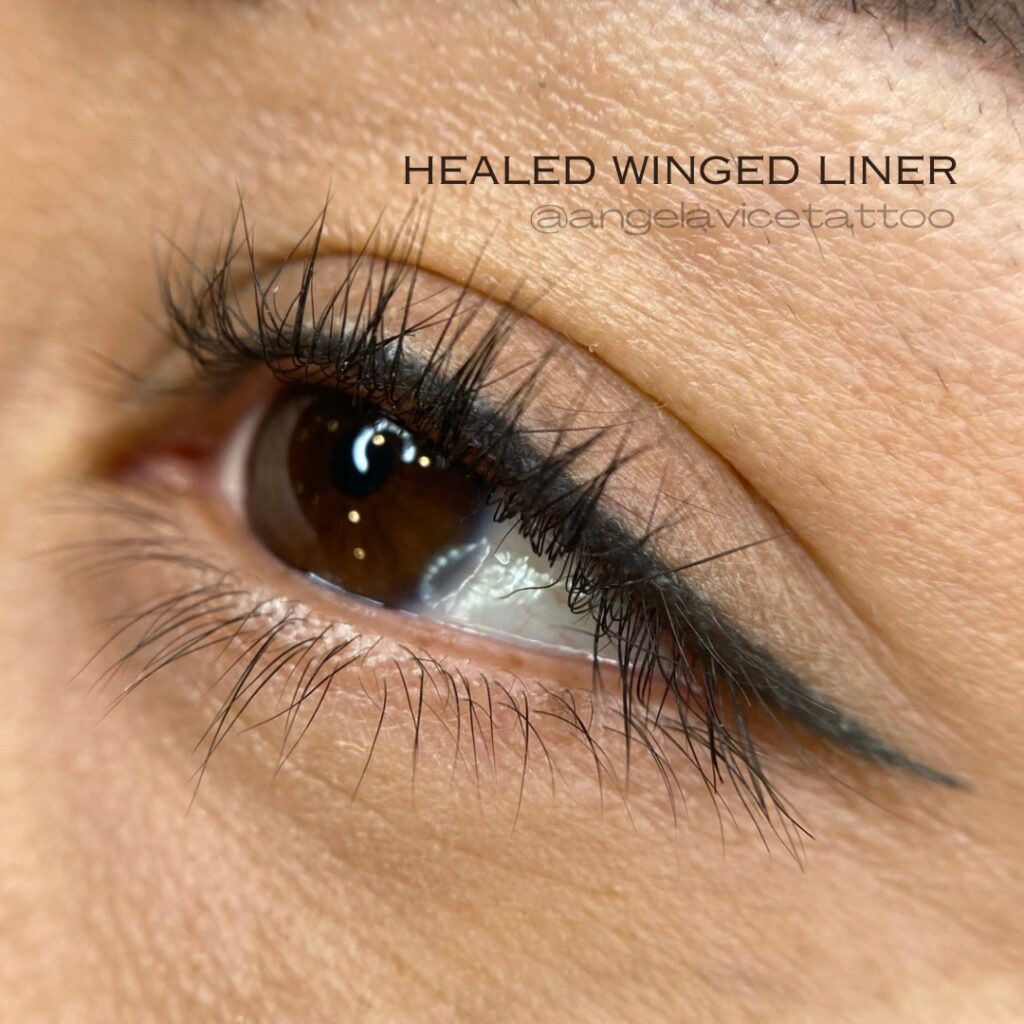
Eyeliner tattooing is one of the most precise and technically demanding services in permanent makeup.
While it may appear simple from the outside—a clean line along the lash line—the reality is very different. The skin is thinner, the margin for error is smaller, and the consequences of mistakes can be long-lasting.
For new artists, understanding safety is not just important. It is foundational.
Because unlike brows or lips, eyeliner leaves very little room for correction. The goal is not just to create a beautiful result. It is to do so in a way that protects the integrity of the skin and ensures the work heals cleanly over time.
Why Eyeliner Tattooing Requires a Different Level of Precision
The eyelid is one of the most delicate areas you will work on as a permanent makeup artist.
It is:
- Thin and fragile
- Highly vascular
- Constantly in motion
- Located extremely close to the eye itself
This means every decision—depth, pressure, speed, and placement—must be controlled and intentional.
Even small inconsistencies can lead to:
- Blurred lines
- Uneven saturation
- Excess trauma
- Long-term distortion
This is why eyeliner is often not recommended as a first service for beginners. It requires a strong foundation in machine control and skin behavior.
The Most Common Safety Mistakes New Eyeliner Artists Make
Understanding what goes wrong is one of the fastest ways to improve.
Here are the most common mistakes—and why they matter.
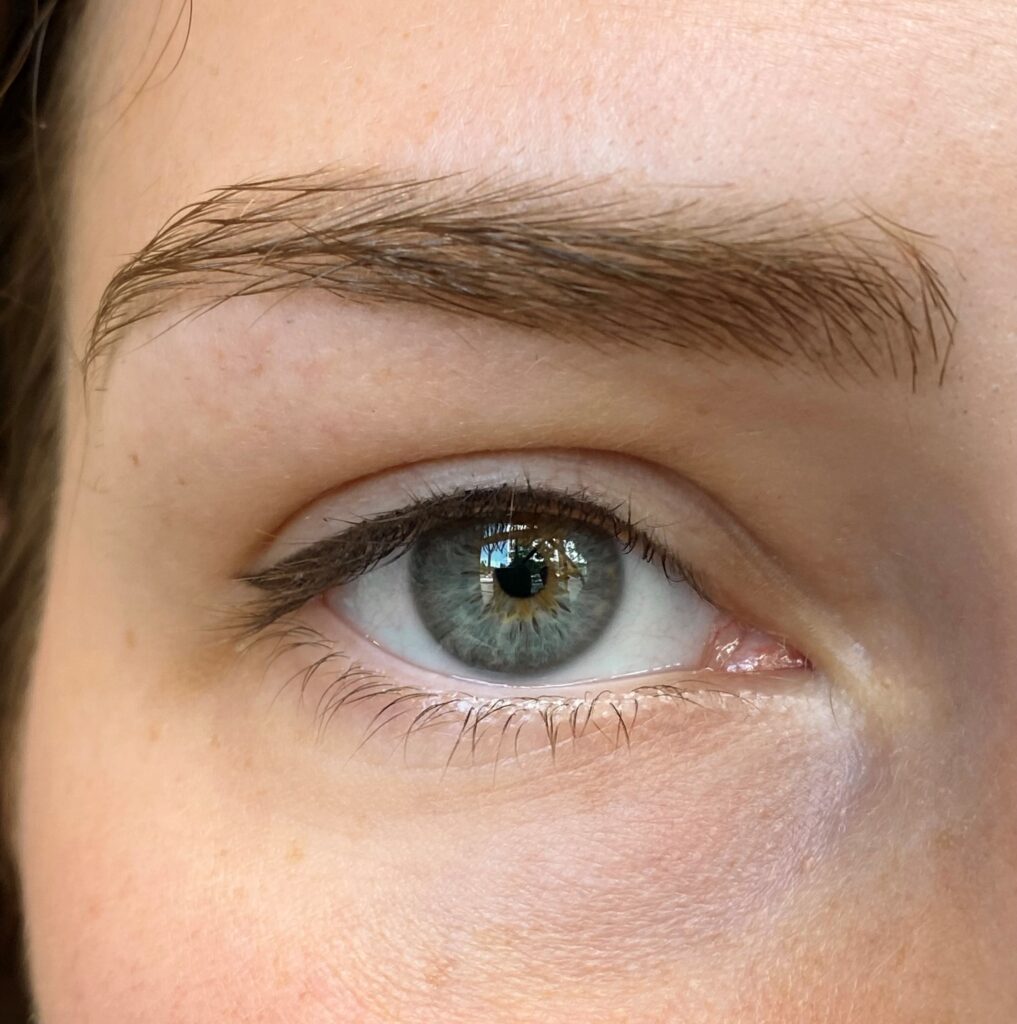
Mistake 1: Working Too Deep
This is the most serious and most common issue.
New artists often assume that going deeper will improve retention. In eyeliner tattooing, the opposite is true.
When pigment is implanted too deeply, it can:
- Migrate beyond the intended line
- Appear blurry instead of crisp
- Create long-term discoloration
Because the skin around the eye is thin, there is very little margin between the correct depth and too deep.
How to Avoid It
Focus on:
- Light, controlled passes
- Consistent depth rather than pressure
- Watching how the skin responds, not just how the pigment looks
Proper depth should allow pigment to sit cleanly without spreading.
Mistake 2: Poor Stretch Technique
Stretching the skin properly is critical for eyeliner work.
Without a proper stretch:
- The skin moves under the needle
- Lines become uneven or shaky
- Pigment deposits inconsistently
This not only affects the result but also increases trauma to the skin.
How to Avoid It
A proper stretch should:
- Stabilize the skin
- Create a smooth surface
- Allow for controlled, even passes
This often requires a combination of hand positioning and client positioning.
Mistake 3: Incorrect Needle Selection
Needle choice has a direct impact on:
- Line thickness
- Saturation
- Skin trauma
Using a needle that is too large or aggressive can lead to:
- Over-saturation
- Excess swelling
- Uneven healing
Using a needle that is too small may result in:
- Poor pigment retention
- Patchy lines
How to Avoid It
Choose needle configurations that match:
- The desired result
- Your level of experience
- The client’s skin type
Consistency is more important than speed or intensity.
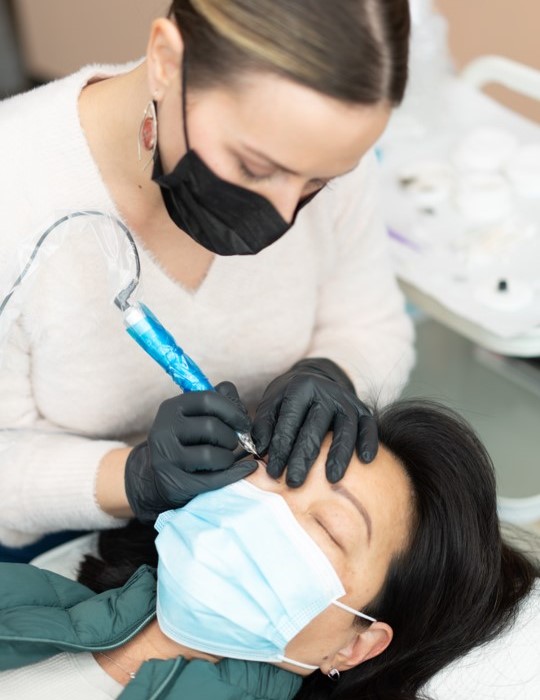
Mistake 4: Rushing the Procedure
Eyeliner is not a fast service.
New artists often feel pressure to work quickly, especially when transitioning from other services.
But rushing leads to:
- Inconsistent lines
- Uneven pigment placement
- Increased mistakes
How to Avoid It
Slow down.
Focus on:
- Clean, controlled passes
- Building saturation gradually
- Checking your work frequently
Speed comes with experience. Control comes first.
Mistake 5: Ignoring Eye Anatomy
Every eye is different.
Ignoring anatomy leads to poor design and unsafe execution.
Important factors include:
- Lid shape (hooded, monolid, deep set)
- Skin thickness
- Lash density
- Natural eye symmetry
A design that works for one client may not work for another.
How to Avoid It
Take time during consultation to:
- Assess the eye shape
- Map the liner appropriately
- Adjust thickness and placement
The goal is not just a clean line. It is a line that complements the eye.
Mistake 6: Overworking the Skin
Overworking happens when artists go over the same area too many times.
This can cause:
- Excess trauma
- Swelling
- Poor pigment retention
- Longer healing times
More passes do not equal better results.
How to Avoid It
Focus on:
- Intentional passes
- Controlled saturation
- Allowing the skin to respond
Less is often more in eyeliner tattooing.
Mistake 7: Not Understanding the Healing Process
Many new artists judge their work based on how it looks immediately after the procedure.
But eyeliner changes significantly during healing.
If you do not understand this, you may:
- Over-saturate during the procedure
- Try to “perfect” something that will soften naturally
- Misinterpret your results
How to Avoid It
Learn how eyeliner heals:
- It may appear darker initially
- It softens over time
- Minor inconsistencies often even out
Trust the process and avoid overcorrecting in the moment.
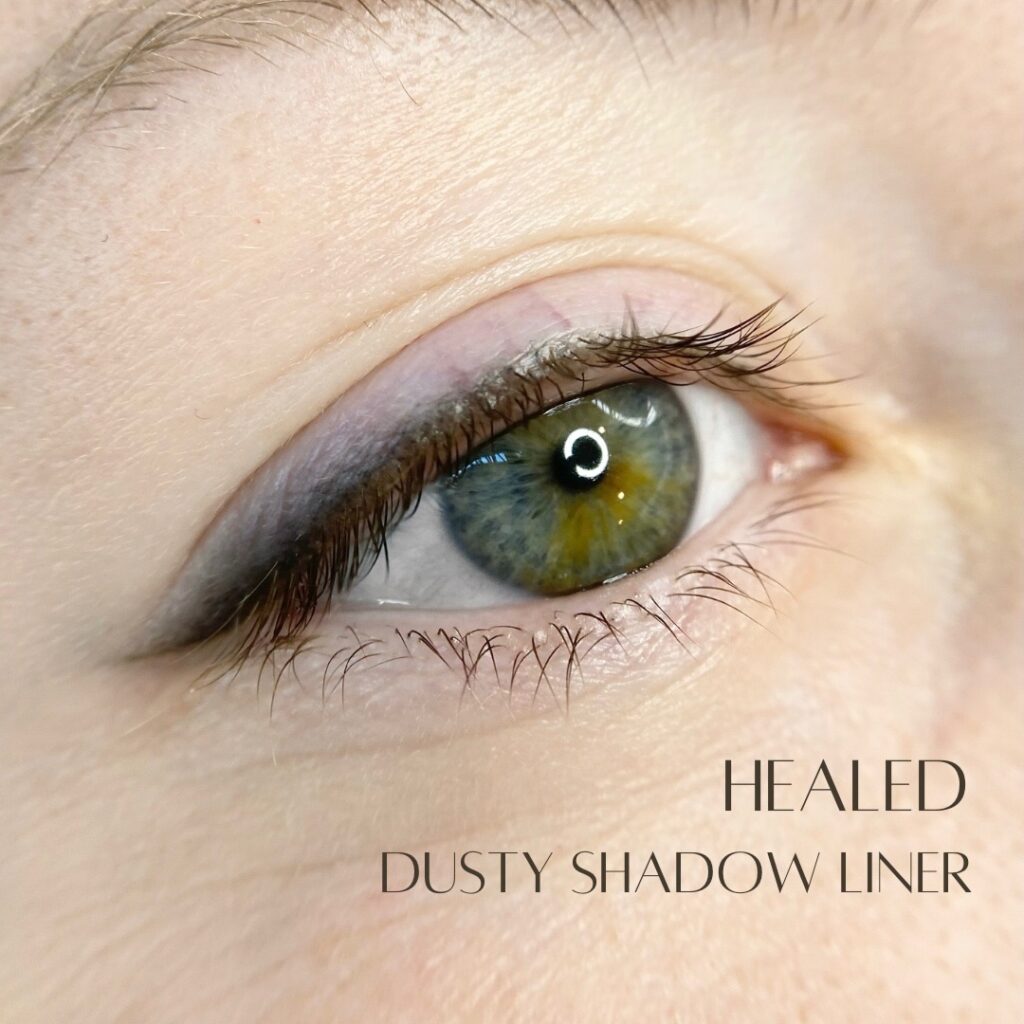
Real Client Considerations
Every client brings different variables to the procedure.
Some may have:
- Sensitive or watery eyes
- Medical history affecting healing
- Previous eyeliner tattoo
- Thin or fragile skin
These factors affect:
- How you work
- How much pressure you use
- How quickly you move
A one-size-fits-all approach does not work.
Why Eyeliner Should Not Be Rushed in Your Training Journey
Eyeliner is often seen as a simple add-on service.
In reality, it requires:
- Advanced machine control
- Strong understanding of skin behavior
- Confidence working in a sensitive area
Artists who rush into eyeliner too early often:
- Struggle with consistency
- Experience more corrections
- Feel less confident overall
Building a foundation first leads to better outcomes.
What to Look for in Eyeliner Training
A strong eyeliner training program should include:
- Depth control education
- Stretch technique training
- Needle selection guidance
- Eye anatomy analysis
- Healing expectations
It should also emphasize:
- Safety over speed
- Control over intensity
- Long-term results over immediate appearance
How Safety Impacts Your Reputation
Eyeliner tattooing is highly visible.
Clients trust you with one of the most sensitive areas of their face.
Safe, consistent work leads to:
- Better healed results
- Stronger client trust
- Fewer corrections
Inconsistent or unsafe work leads to the opposite.
Your reputation is built on what your work looks like months later—not just on the day of the appointment.
Frequently Asked Questions
Is eyeliner tattooing beginner-friendly?
No. It requires strong foundational skills and should be approached after gaining experience with other machine techniques.
Can eyeliner mistakes be corrected?
Some can, but correction is more complex than prevention.
Why does eyeliner sometimes blur?
This is often due to working too deep or poor technique.
How long does eyeliner take to master?
It varies, but it requires consistent practice and strong technical understanding.
What is the most important skill for eyeliner?
Control—over depth, movement, and pressure.
The Bottom Line
Eyeliner tattooing is not about speed or simplicity. It is about precision, control, and respect for the skin.
The most common mistakes are not caused by lack of talent. They are caused by lack of understanding.
When you focus on:
- Proper depth
- Strong stretch
- Controlled technique
- Patient execution
You create results that are not only beautiful, but safe and long-lasting.
And in eyeliner tattooing, that is what matters most.
About Daela Academy
DAELA Academy is a globally recognized leader in cosmetic tattoo and permanent makeup education, known for setting a higher standard in both artistry and ethics. With students traveling from across the U.S. and internationally to train with our team, our reputation is built on consistently refined results, advanced technique, and a deep commitment to natural beauty.
Our trainers are not only artists, but industry educators who prioritize healed outcomes, skin integrity, and long-term client satisfaction. Every course is designed to move beyond trends, giving artists a strong, adaptable foundation that supports real career growth.
With locations in Portland and Scottsdale, serving over 25,000 clients with over 3,000 5-star reviews our growing global community of artists is in exceptional hands at DAELA Academy We will continue to shape the future of permanent makeup through thoughtful education, elevated standards, and a results-driven approach.